U.S. 1918-1945
U.S. 1918-1945
Filters
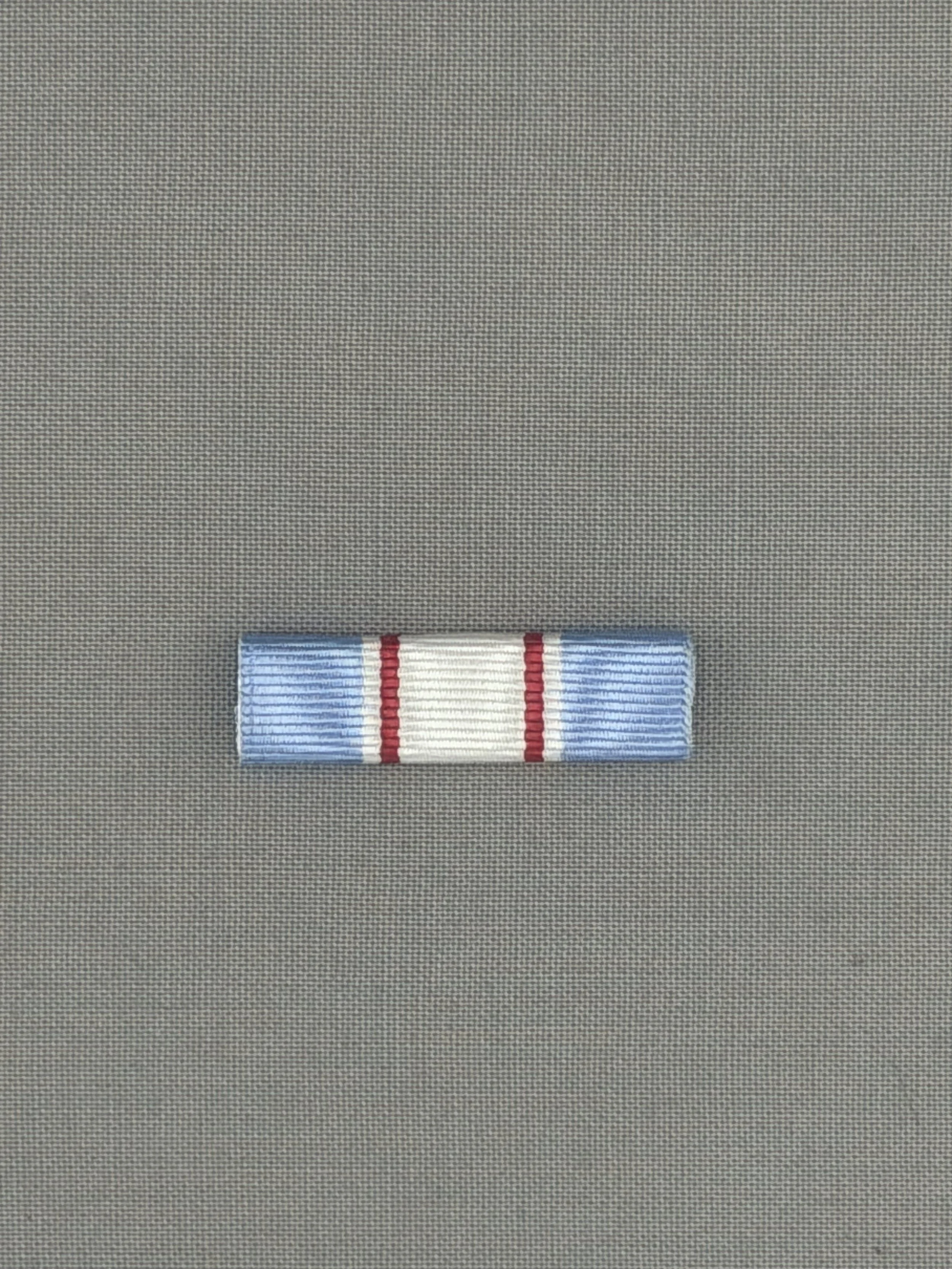
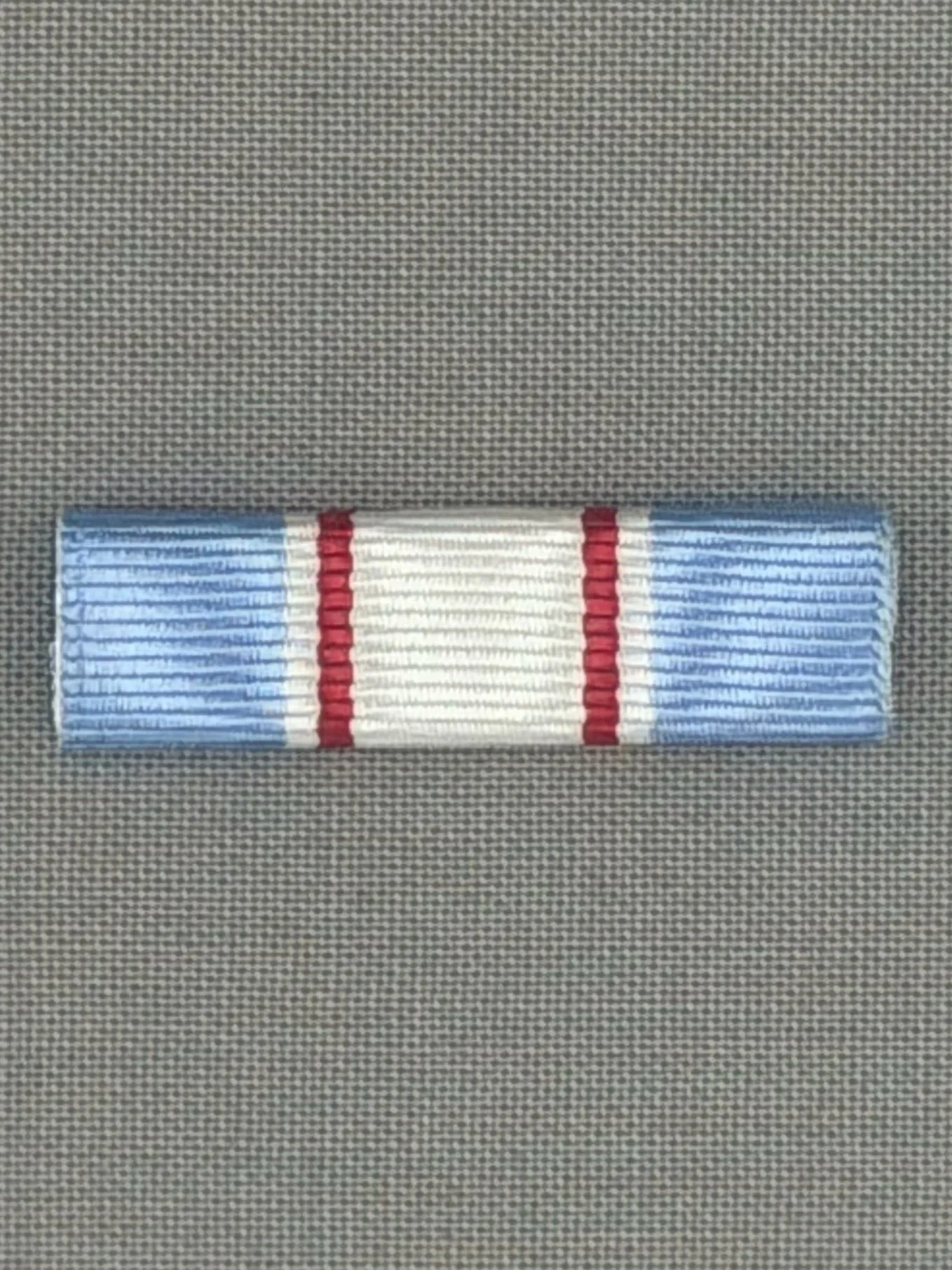
U.S. Antarctic Service Medal Ribbon Bar – New Old Stock
An unused New Old Stock (NOS) ribbon bar representing the United States Antarctic Service Medal, a federal decoration recognizing qualifying service in support of American scientific research and exploration in Antarctica.
Historical Background
The Antarctic Service Medal was established by an Act of Congress on July 7, 1960, to recognize individuals who participate in qualifying United States expeditions and operations in Antarctica.
The decoration reflects America's long history of Antarctic exploration, including the expeditions of Rear Admiral Richard E. Byrd and the development of permanent scientific research stations on the continent.
During the International Geophysical Year of 1957–1958, the United States expanded its Antarctic research activities through Operation Deep Freeze, a series of military-supported scientific expeditions.
These operations helped establish permanent American research facilities, including McMurdo Station and Amundsen–Scott South Pole Station.
The Antarctic Service Medal continues to recognize qualifying participation in Antarctic operations, including scientific research, logistical support, and other authorized activities.
Why It Was Awarded
The Antarctic Service Medal recognizes eligible military personnel and civilians who participate in qualifying United States expeditions or operations in Antarctica.
Recipients have included scientists, researchers, aviation crews, naval personnel, support specialists, and other individuals whose work contributed to American activities on the continent.
Additional devices may be authorized to recognize qualifying winter-over service.
Item Details
Country: United States
Decoration: Antarctic Service Medal
Established: July 7, 1960
Qualifying service: From January 1, 1946, onward
Associated operations: Operation Deep Freeze and U.S. Antarctic research programs
Type: Federal service medal ribbon bar
Ribbon colors: White, light blue, dark blue, and red
Condition: New Old Stock (NOS)
Item offered: Ribbon bar only; no medal included
SKU: US85200014
An interesting addition to a collection of United States military decorations, Antarctic exploration memorabilia, polar research history, or American service ribbon bars.
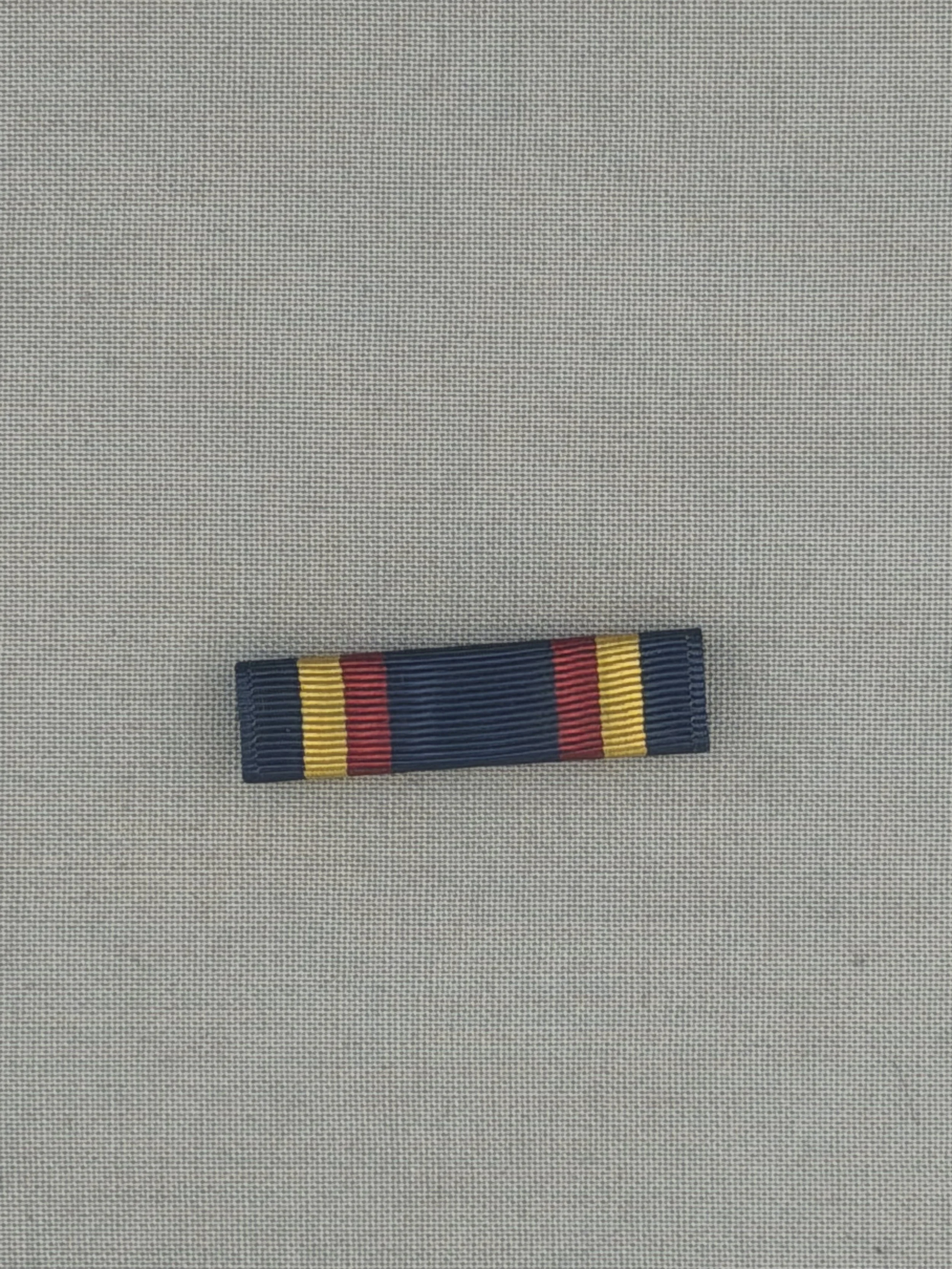
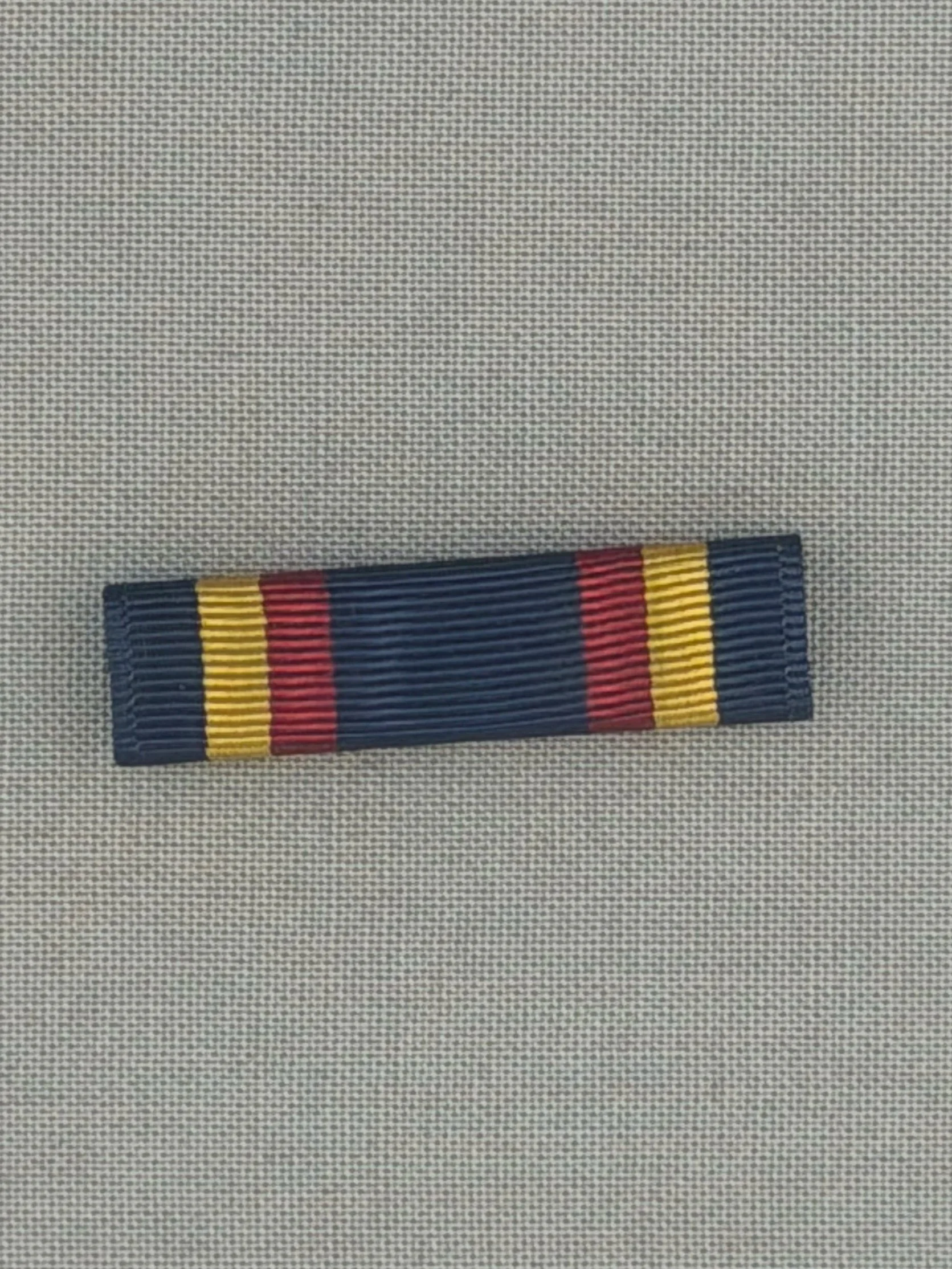
U.S. Navy Yangtze Service Medal Ribbon Bar – New Old Stock
An unused New Old Stock (NOS) ribbon bar representing the United States Navy Yangtze Service Medal, a military decoration recognizing American naval and Marine Corps service in China during the turbulent interwar years.
Historical Background
During the 1920s and early 1930s, China experienced considerable political instability, civil conflict, and growing tensions between Chinese nationalist forces, regional warlords, and foreign interests.
The United States maintained a naval presence in Chinese waters, particularly along the Yangtze River, where American gunboats operated as part of the United States Asiatic Fleet.
These vessels helped protect American citizens, diplomatic personnel, commercial interests, and shipping during periods of unrest.
One of the most significant episodes occurred during the Nanking Incident of March 1927, when foreign nationals came under threat during fighting in the city.
American naval forces participated in operations to protect and evacuate foreign citizens during the disturbances.
The Yangtze Service Medal was established on April 28, 1930, to recognize qualifying service during designated operations in China.
Why It Was Awarded
The Yangtze Service Medal recognized eligible United States Navy and Marine Corps personnel who participated in designated operations in China during two principal qualifying periods: September 3, 1926, through October 21, 1927, and March 1, 1930, through December 31, 1932.
The decoration commemorates American naval operations during a significant period in China's modern history.
Item Details
Country: United States
Decoration: Yangtze Service Medal
Service branches: U.S. Navy and Marine Corps
Established: April 28, 1930
Campaign periods: 1926–1927 and 1930–1932
Historical association: U.S. Asiatic Fleet and Yangtze Patrol
Type: Military campaign ribbon bar
Condition: New Old Stock (NOS)
Item offered: Ribbon bar only; no medal included
SKU: US34567802
An interesting addition to a collection of United States Navy decorations, Asiatic Fleet memorabilia, China Station militaria, or American interwar campaign ribbons.
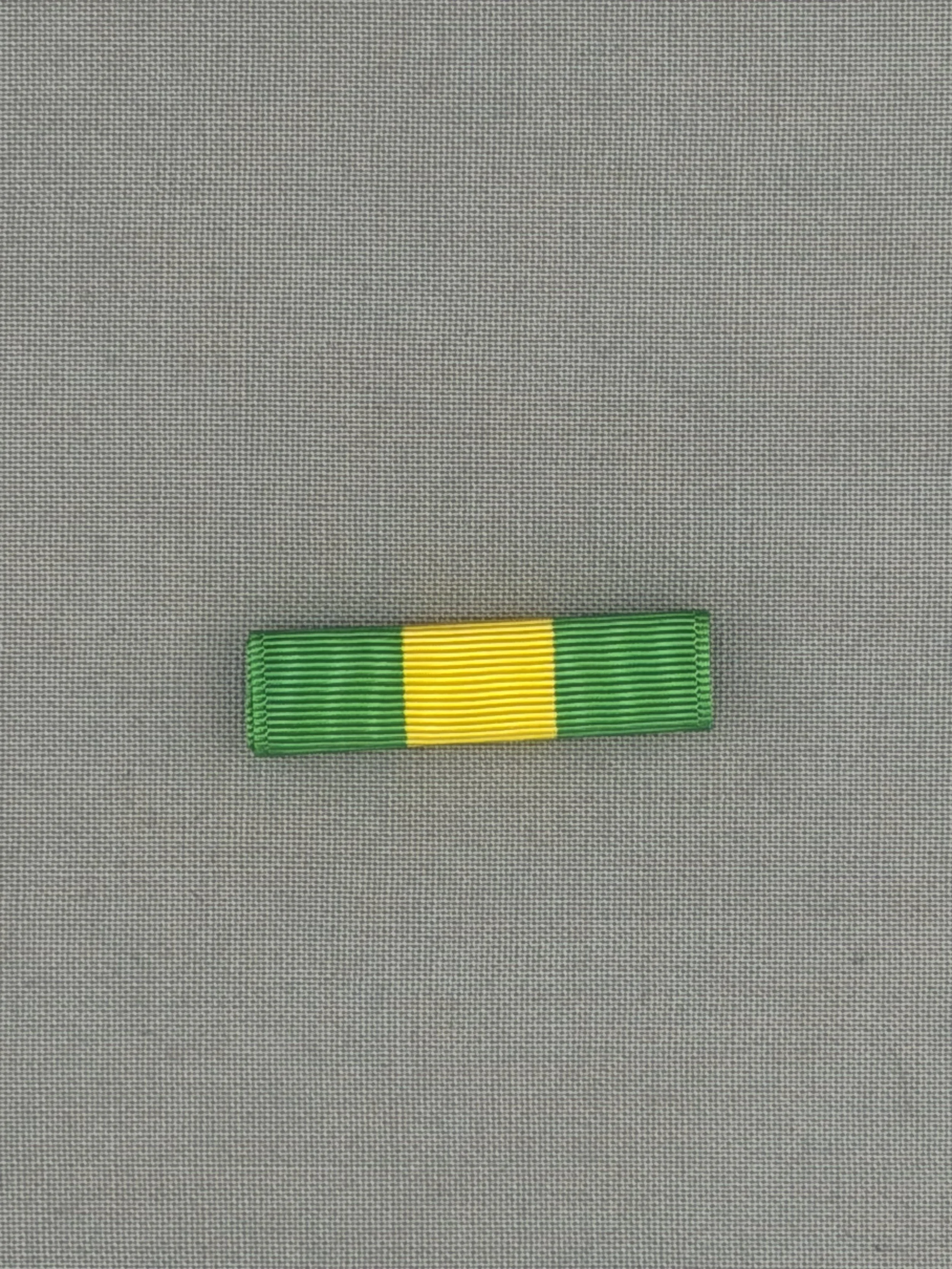
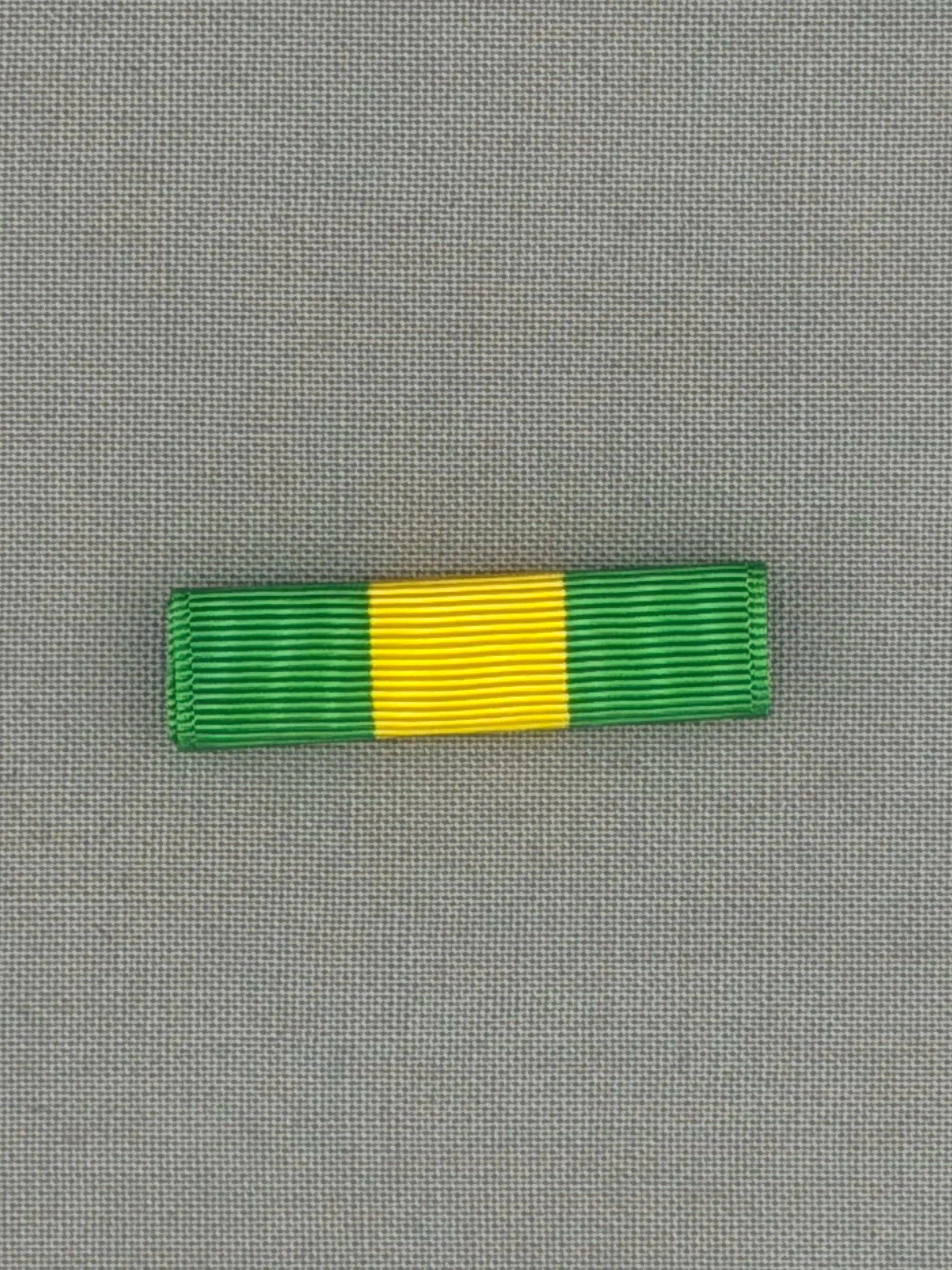
U.S. Mexican Border Service Medal Ribbon Bar – New Old Stock
An unused New Old Stock (NOS) ribbon bar representing the United States Mexican Border Service Medal, a military decoration recognizing American soldiers who served along the United States–Mexico border during the Mexican Revolution.
Historical Background
During the early twentieth century, Mexico experienced widespread political unrest and armed conflict following the outbreak of the Mexican Revolution in 1910.
Instability along the international border led the United States to increase its military presence in the region.
In March 1916, Mexican revolutionary leader Francisco "Pancho" Villa launched a raid against Columbus, New Mexico, killing American soldiers and civilians.
In response, President Woodrow Wilson ordered General John J. Pershing to lead a military expedition into northern Mexico to pursue Villa and his forces.
At the same time, thousands of National Guard soldiers were mobilized and deployed along the Mexican border to protect American communities and maintain security.
Although many of these soldiers did not participate directly in the Punitive Expedition, their service formed an important part of the American military response.
The Mexican Border Service Medal was established by an Act of Congress on July 9, 1918, to recognize qualifying military service during this period.
Why It Was Awarded
The Mexican Border Service Medal recognized eligible members of the United States Army and National Guard who served along the Mexican border during the period of increased military mobilization.
The medal generally recognized qualifying service between May 9, 1916, and March 24, 1917, for personnel who were not entitled to the Mexican Service Medal for the same period.
Item Details
Country: United States
Decoration: Mexican Border Service Medal
Established: July 9, 1918
Qualifying service period: 1916–1917
Historical association: Mexican Revolution and Pancho Villa Expedition
Type: Military service ribbon bar
Ribbon colors: Green and yellow
Condition: New Old Stock (NOS)
Item offered: Ribbon bar only; no medal included
SKU: US2300241
An interesting addition to a collection of early United States Army decorations, National Guard memorabilia, Mexican Border Campaign history, or American military ribbon bars.
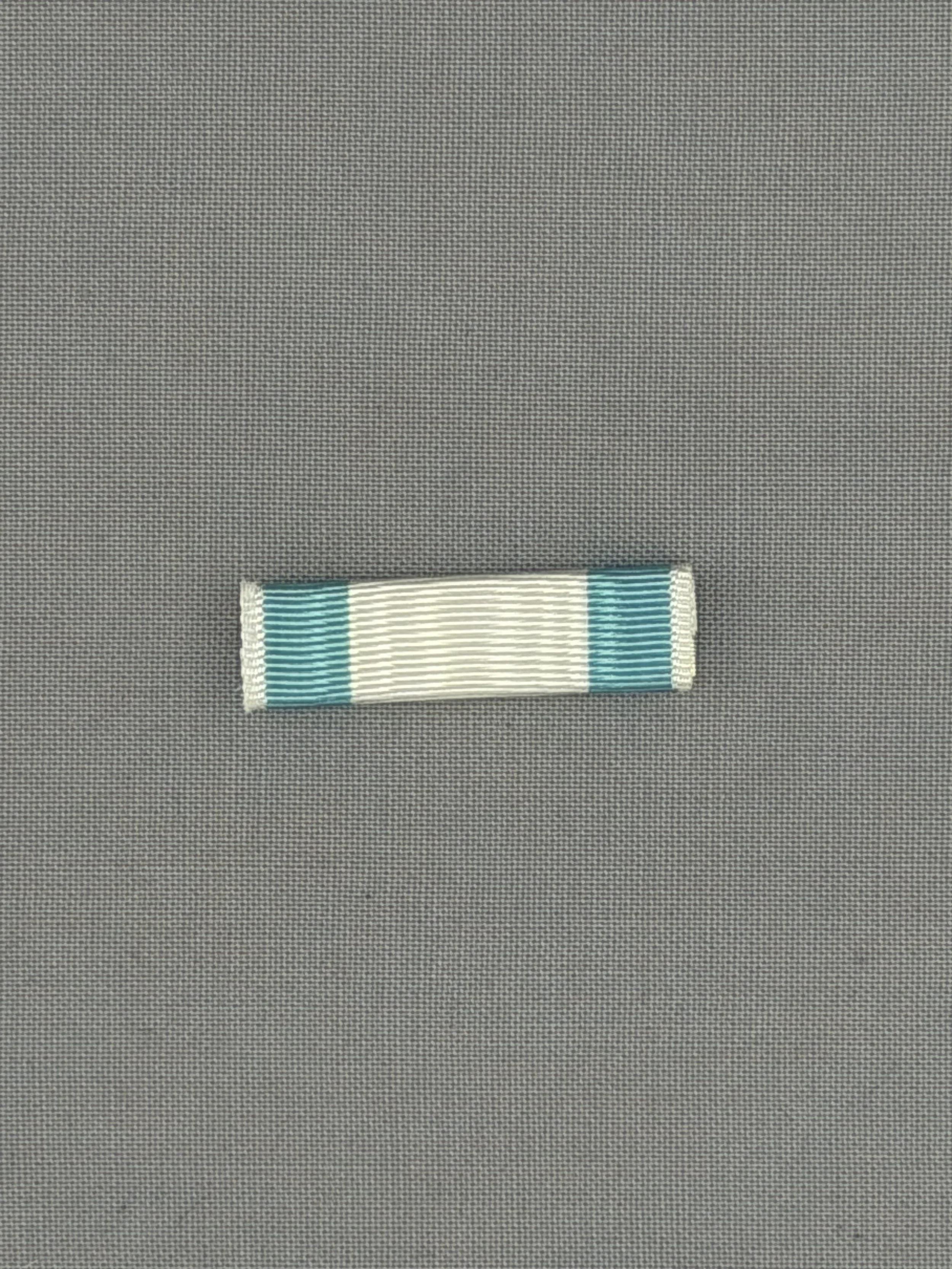
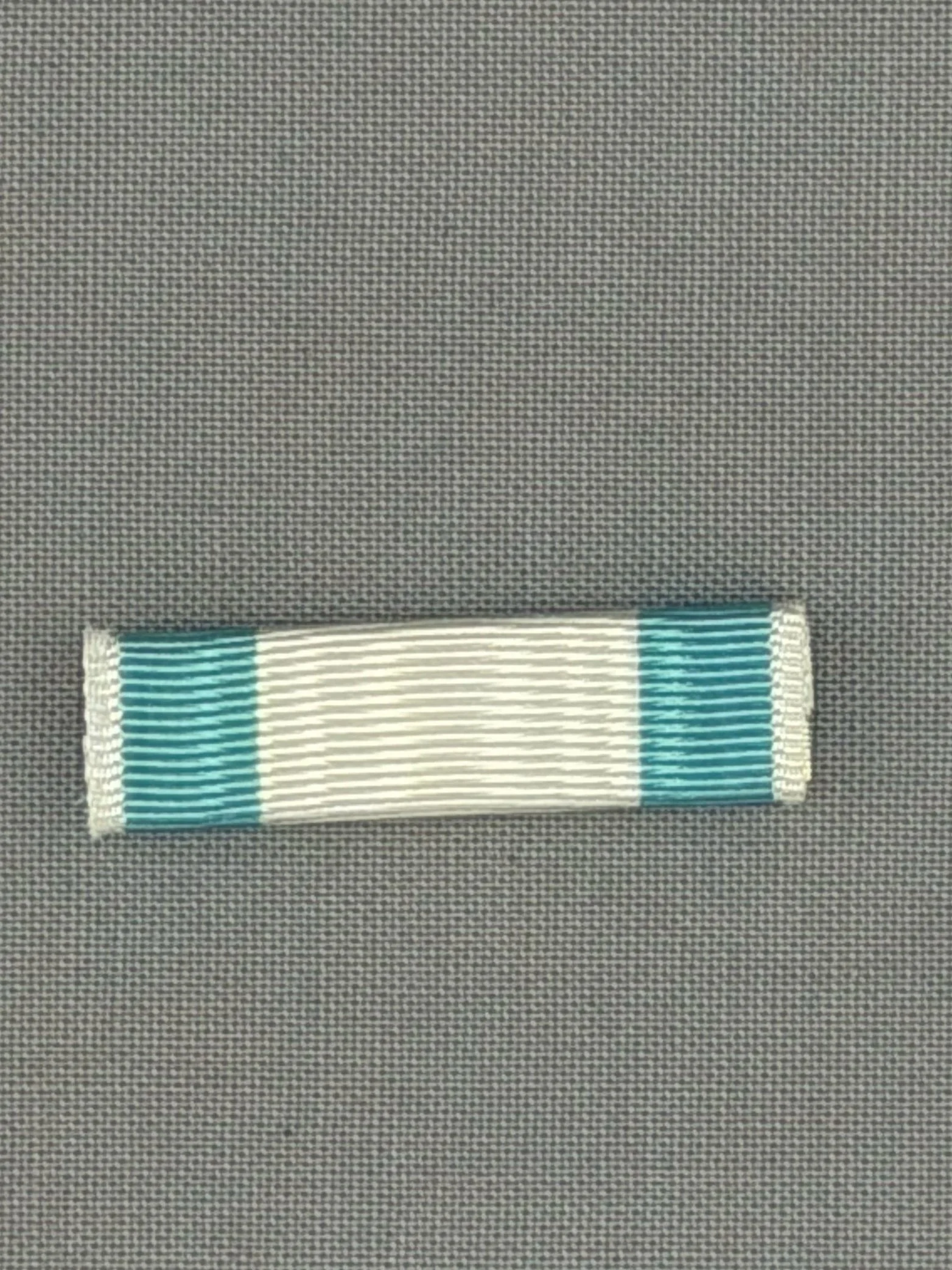
Peary Polar Expedition Medal Civilian Ribbon Bar – New Old Stock
An unused New Old Stock (NOS) ribbon bar identified as the civilian variation associated with the Peary Polar Expedition Medal, commemorating Robert E. Peary's historic Arctic expedition of 1908–1909.
Historical Background
In July 1908, American naval officer and polar explorer Robert Edwin Peary departed aboard the SS Roosevelt on an ambitious expedition to reach the geographic North Pole.
The expedition included experienced Arctic explorers, civilian specialists, and Inuit participants whose knowledge of the polar environment was essential to its success.
Among the best-known participants was Matthew Henson, an American explorer who had accompanied Peary on several earlier Arctic expeditions.
On April 6, 1909, Peary's party reported reaching the geographic North Pole. Although the precise achievement remains debated by historians, the expedition became an important chapter in the history of Arctic exploration.
Congress authorized the Peary Polar Expedition Medal in 1944 to commemorate the expedition and recognize its participants.
Historical Significance
The Peary expedition depended on the contributions of individuals from different backgrounds, including naval personnel, civilian explorers, and Inuit guides.
Their combined experience in Arctic travel, navigation, and survival helped make the expedition possible.
The medal remains associated with one of the most famous and debated polar expeditions of the early twentieth century.
Item Details
Country: United States
Decoration: Peary Polar Expedition Medal
Variation: Civilian ribbon bar (provisional identification)
Expedition period: 1908–1909
Associated explorer: Robert E. Peary
Historical association: Arctic exploration
Type: Expedition medal ribbon bar
Condition: New Old Stock (NOS)
Item offered: Ribbon bar only; no medal included
SKU: US8022541
An interesting addition to a collection of American polar exploration memorabilia, Arctic expedition decorations, or historical United States medals.
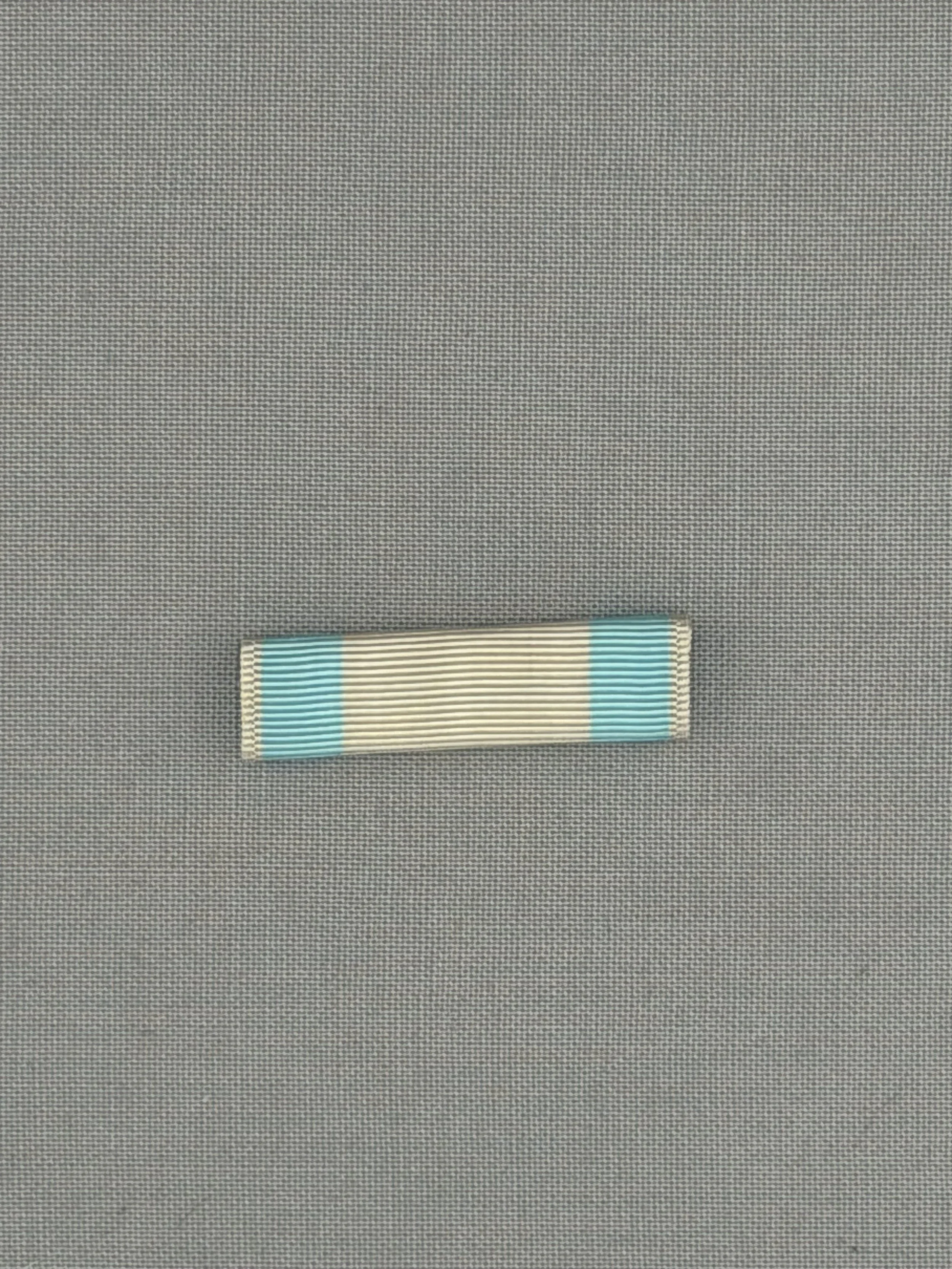
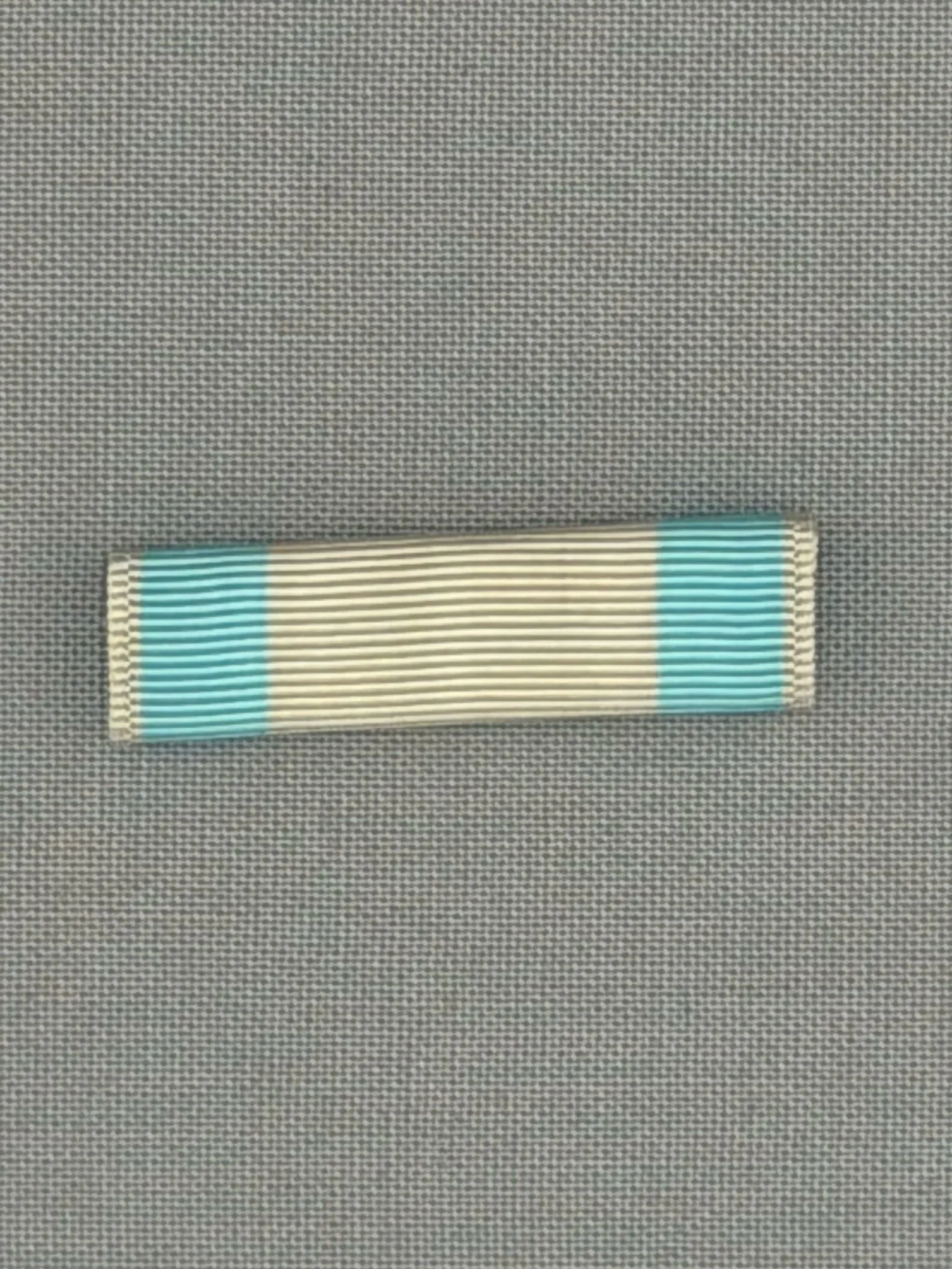
U.S. Navy Peary Polar Expedition Medal Ribbon Bar – New Old Stock
An unused New Old Stock (NOS) ribbon bar representing the Peary Polar Expedition Medal, a rare United States congressional decoration associated with Commander Robert E. Peary's historic Arctic expedition of 1908–1909.
Historical Background
In July 1908, American naval officer and Arctic explorer Robert Edwin Peary departed aboard the SS Roosevelt on an expedition to reach the geographic North Pole.
The expedition traveled through the Arctic regions of Greenland and northern Canada, establishing supply depots and conducting an arduous journey across the polar ice.
On April 6, 1909, Peary and a small party, including Matthew Henson and four Inuit expedition members, reported reaching the North Pole.
Although the expedition's claim to have reached the precise geographic pole remains historically disputed, it became one of the most celebrated achievements in early twentieth-century polar exploration.
The expedition returned in September 1909, attracting international attention.
On January 28, 1944, Congress authorized the Peary Polar Expedition Medal to recognize the achievements of eligible participants in the 1908–1909 expedition.
Why It Was Awarded
The Peary Polar Expedition Medal was authorized to recognize members of the expedition associated with Peary's 1908–1909 Arctic exploration.
The decoration commemorates the hardships, exploration, and contributions of the expedition's participants to the history of polar discovery.
Item Details
Country: United States
Decoration: Peary Polar Expedition Medal
Expedition period: 1908–1909
Congressional authorization: January 28, 1944
Associated explorer: Robert E. Peary
Historical association: Arctic exploration
Type: Congressional expedition medal ribbon bar
Ribbon colors: Light blue, white, and pale green
Condition: New Old Stock (NOS)
Item offered: Ribbon bar only; no medal included
SKU: US8520014
An interesting addition to a collection of United States Navy decorations, Arctic exploration memorabilia, American expedition medals, or early polar history.
This listing is for the ribbon bar only, not an original expedition-issued medal.
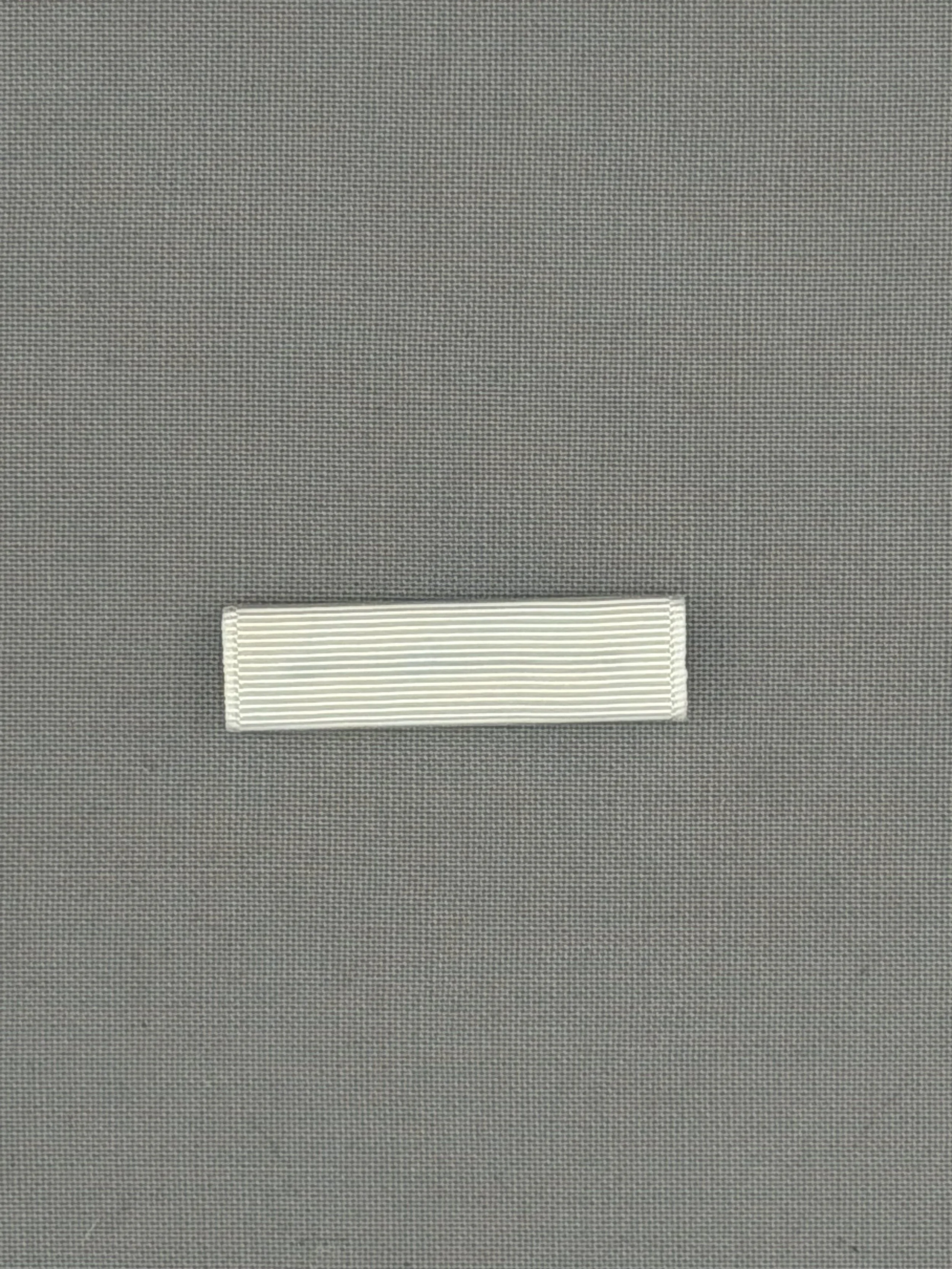
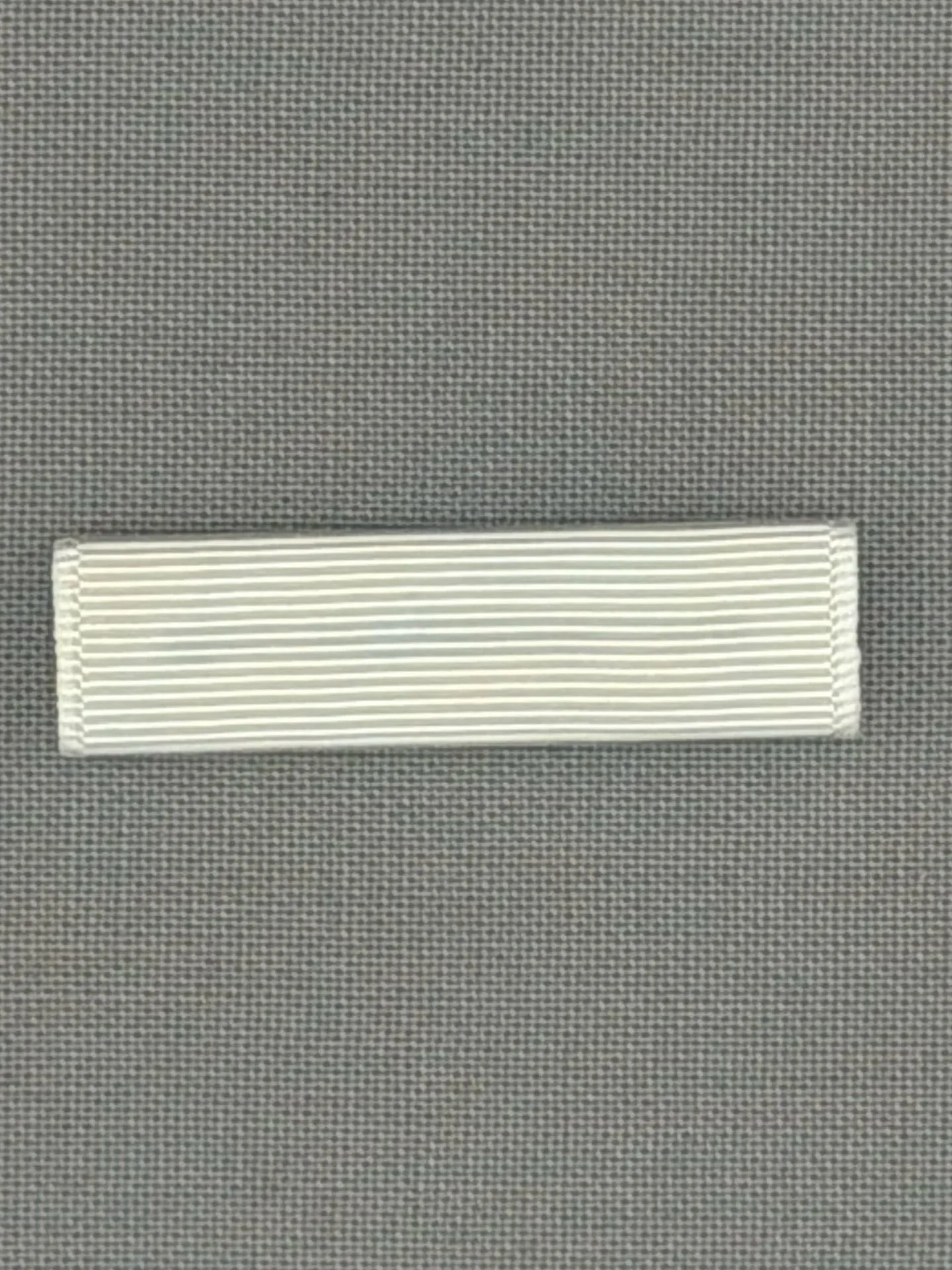
U.S. Navy Byrd Antarctic Expedition Medal Ribbon Bar – New Old Stock
An unused New Old Stock (NOS) ribbon bar representing the Byrd Antarctic Expedition Medal, a United States congressional decoration commemorating Rear Admiral Richard E. Byrd's historic first Antarctic expedition of 1928–1930.
Historical Background
In 1928, American naval officer and polar explorer Richard E. Byrd organized an ambitious expedition to Antarctica, seeking to expand scientific knowledge and explore previously uncharted regions of the continent.
The expedition established a base known as Little America on the Ross Ice Shelf, which served as the headquarters for scientific research, aerial reconnaissance, and exploration.
On November 29, 1929, Byrd and his crew completed their celebrated flight toward the geographic South Pole, becoming the first expedition to claim an aircraft flight over the pole.
Throughout the expedition, personnel conducted geographical surveys, meteorological observations, and scientific investigations under some of the harshest environmental conditions on Earth.
The expedition returned to the United States in 1930 and became an important milestone in American polar exploration.
Congress authorized the Byrd Antarctic Expedition Medal on May 23, 1930, to recognize the achievements and service of expedition members.
Why It Was Awarded
The Byrd Antarctic Expedition Medal recognized eligible participants in the First Byrd Antarctic Expedition of 1928–1930.
The decoration commemorates their contributions to scientific discovery, geographical exploration, and the advancement of American polar aviation.
Item Details
Country: United States
Decoration: Byrd Antarctic Expedition Medal
Expedition: First Byrd Antarctic Expedition
Expedition period: 1928–1930
Authorized: May 23, 1930
Associated explorer: Rear Admiral Richard E. Byrd
Type: Congressional expedition medal ribbon bar
Condition: New Old Stock (NOS)
Item offered: Ribbon bar only; no medal included
SKU: US7854210
An interesting addition to a collection of United States Navy decorations, Antarctic exploration memorabilia, polar aviation history, or American expedition medals.
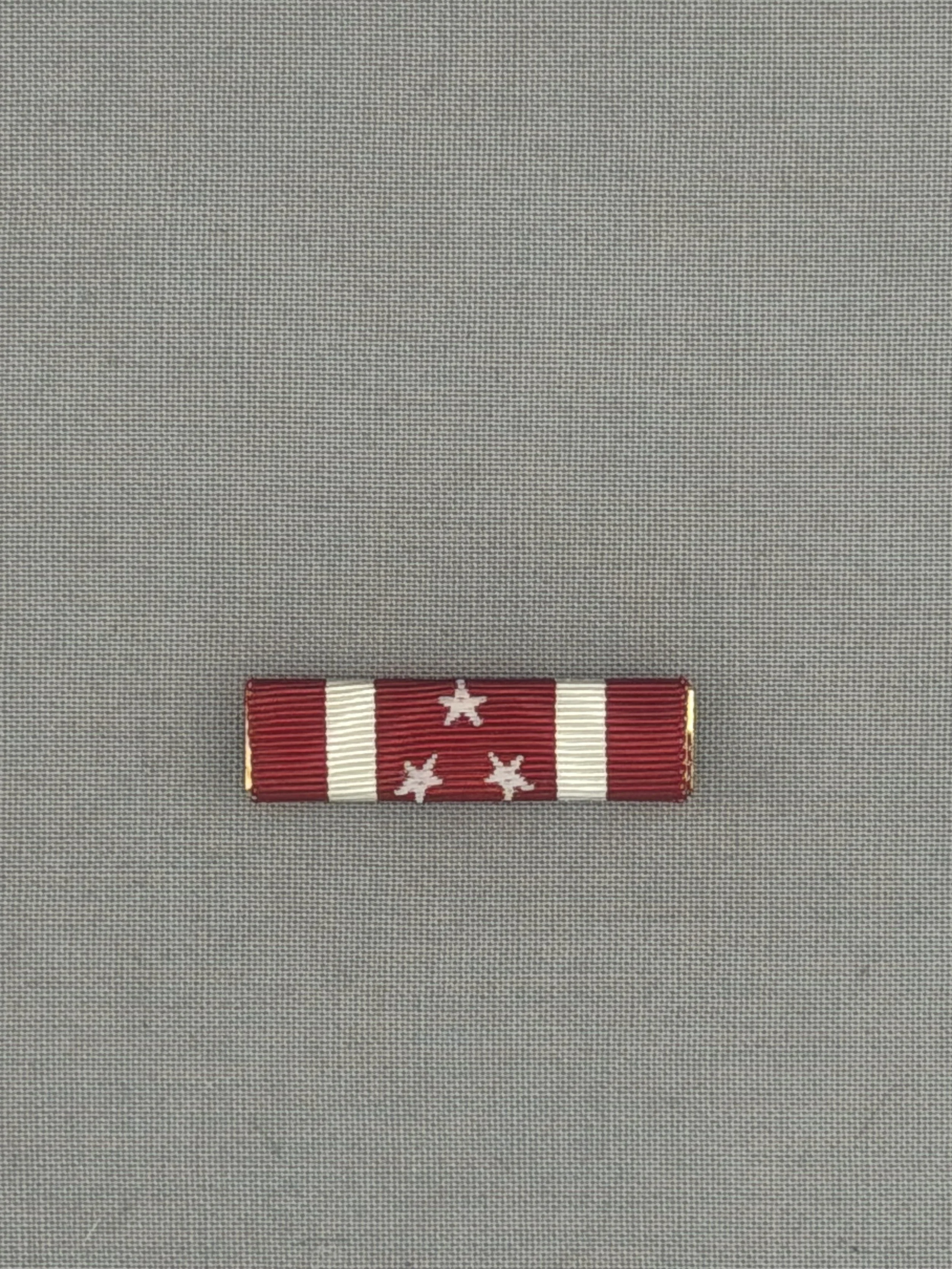
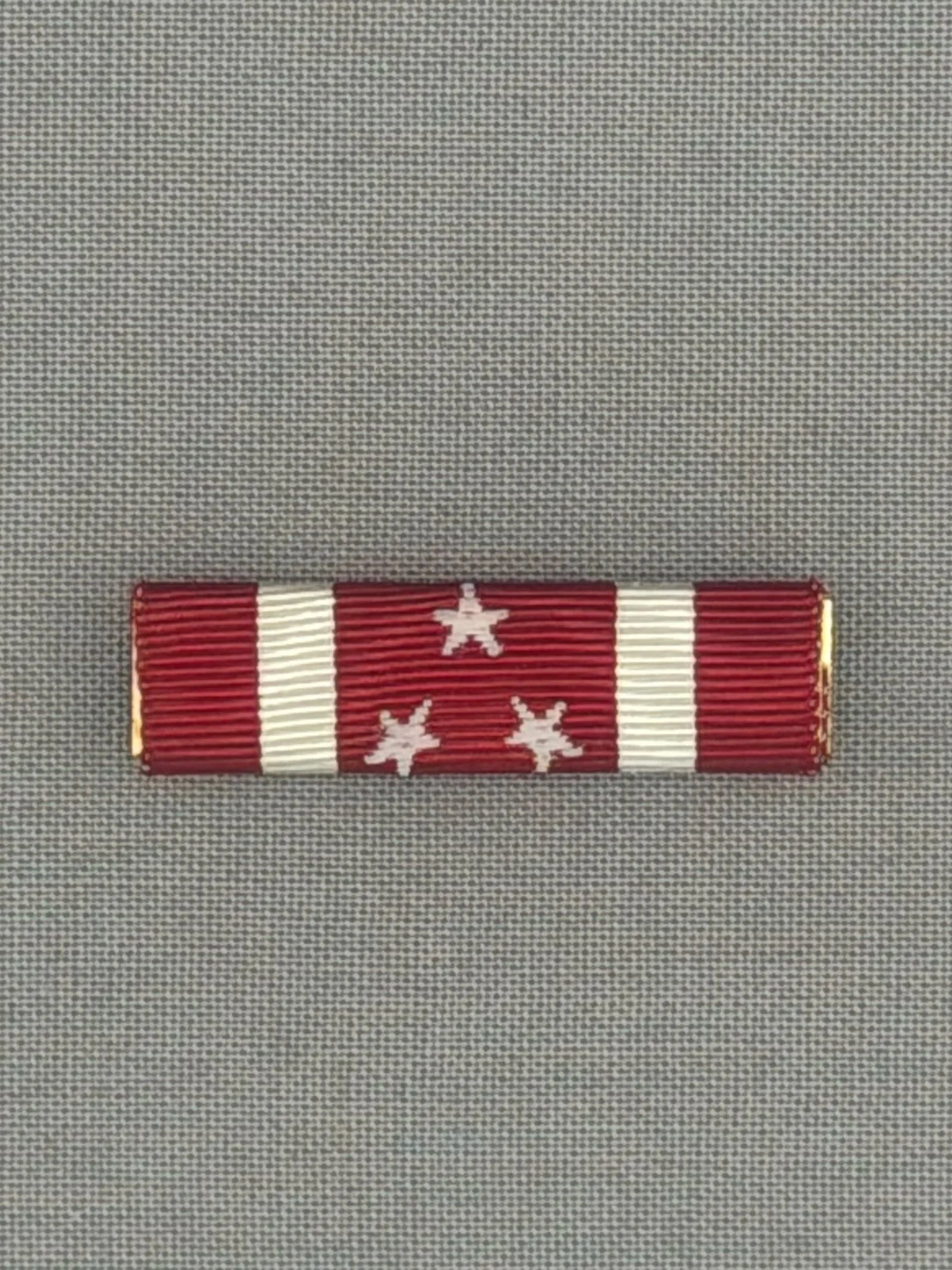
WWII Philippine Defense Medal Ribbon Bar – New Old Stock
An unused New Old Stock (NOS) ribbon bar representing the Philippine Defense Medal, a military decoration recognizing American and Filipino personnel who participated in the defense of the Philippine Islands during the opening months of the Second World War.
Historical Background
On December 8, 1941, Japanese forces launched attacks against the Philippines, beginning a major campaign to seize the islands from American and Filipino defenders.
Under the command of General Douglas MacArthur, United States and Philippine Commonwealth forces conducted a determined defensive campaign against the advancing Japanese military.
Despite being outnumbered and facing shortages of supplies, Allied troops continued resisting Japanese forces on the Bataan Peninsula and the fortified island of Corregidor.
The fall of Bataan on April 9, 1942, was followed by the infamous Bataan Death March, during which thousands of American and Filipino prisoners suffered and died.
Corregidor surrendered on May 6, 1942, marking the collapse of organized Allied resistance in the Manila Bay area.
The Philippine Defense Medal was established on December 20, 1944, to recognize military personnel who participated in the defense of the Philippines during this campaign.
Why It Was Awarded
The Philippine Defense Medal recognized qualifying American and Filipino military personnel who served in the defense of the Philippine Islands between December 8, 1941, and June 15, 1942.
The decoration commemorates the courage and sacrifice of those who resisted the Japanese invasion during the early stages of the Pacific War.
Item Details
Country: Philippines
Decoration: Philippine Defense Medal
Established: December 20, 1944
Qualifying service period: December 8, 1941 – June 15, 1942
Historical conflict: Second World War
Associated campaigns: Defense of Bataan and Corregidor
Type: Military campaign ribbon bar
Ribbon colors: Red with white stars
Condition: New Old Stock (NOS)
Item offered: Ribbon bar only; no medal included
SKU: US80024135
An interesting addition to a collection of Second World War decorations, Philippine military history, Pacific Theater memorabilia, or American military ribbon bars.
These are original NOS ribbon bars. They are made of silk, and each star was hand embroidered onto the ribbon.
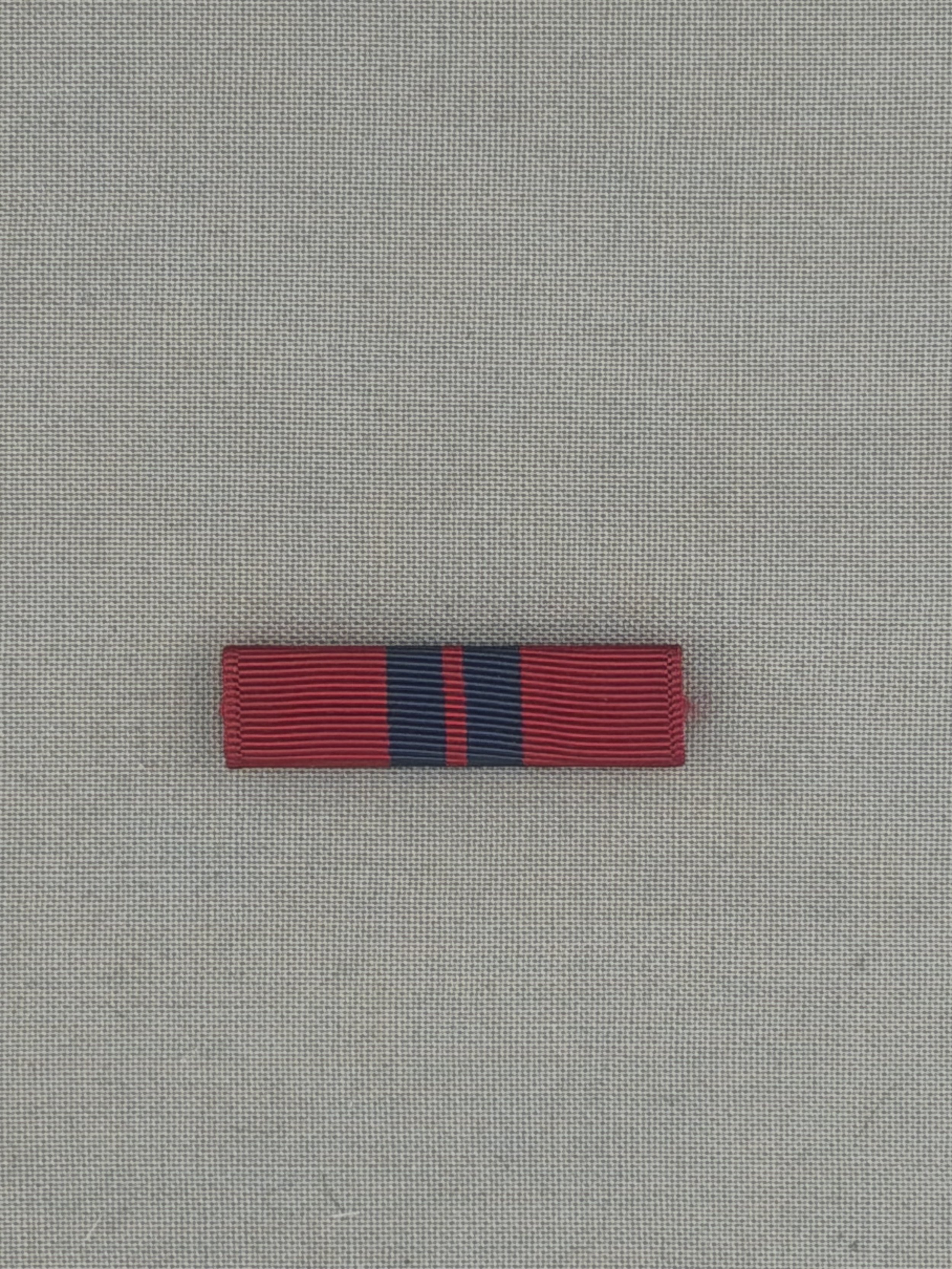
U.S. Navy Dominican Campaign Medal Ribbon Bar – New Old Stock
An unused New Old Stock (NOS) ribbon bar representing the United States Navy Dominican Campaign Medal, a military decoration recognizing American naval and Marine Corps service during operations in the Dominican Republic in 1916.
Historical Background
During the early twentieth century, the Dominican Republic experienced significant political instability, including internal armed conflicts and disputes over governmental authority.
In May 1916, United States Marines landed in the Dominican Republic as American naval forces intervened during a period of political unrest.
American forces conducted military operations to secure strategic locations, protect transportation routes, and establish control over areas held by opposing Dominican forces.
Several engagements occurred during the campaign, including fighting at Las Trencheras and Guayacanas in June 1916.
The intervention developed into a prolonged American military occupation that continued until 1924.
The Dominican Campaign Medal was established by the United States Navy on December 29, 1921, to recognize qualifying service during the 1916 campaign.
Why It Was Awarded
The Dominican Campaign Medal recognized eligible United States Navy and Marine Corps personnel who participated in designated military operations in the Dominican Republic during 1916.
The decoration commemorates American naval and Marine Corps participation in the campaign that preceded the extended United States occupation of the country.
Item Details
Country: United States
Decoration: Dominican Campaign Medal
Service branches: U.S. Navy and Marine Corps
Established: December 29, 1921
Campaign year: 1916
Historical association: U.S. intervention in the Dominican Republic
Type: Military campaign ribbon bar
Condition: New Old Stock (NOS)
Item offered: Ribbon bar only; no medal included
SKU: US85241036
An interesting addition to a collection of early United States Navy decorations, Marine Corps militaria, Caribbean military history, or American campaign ribbon bars.
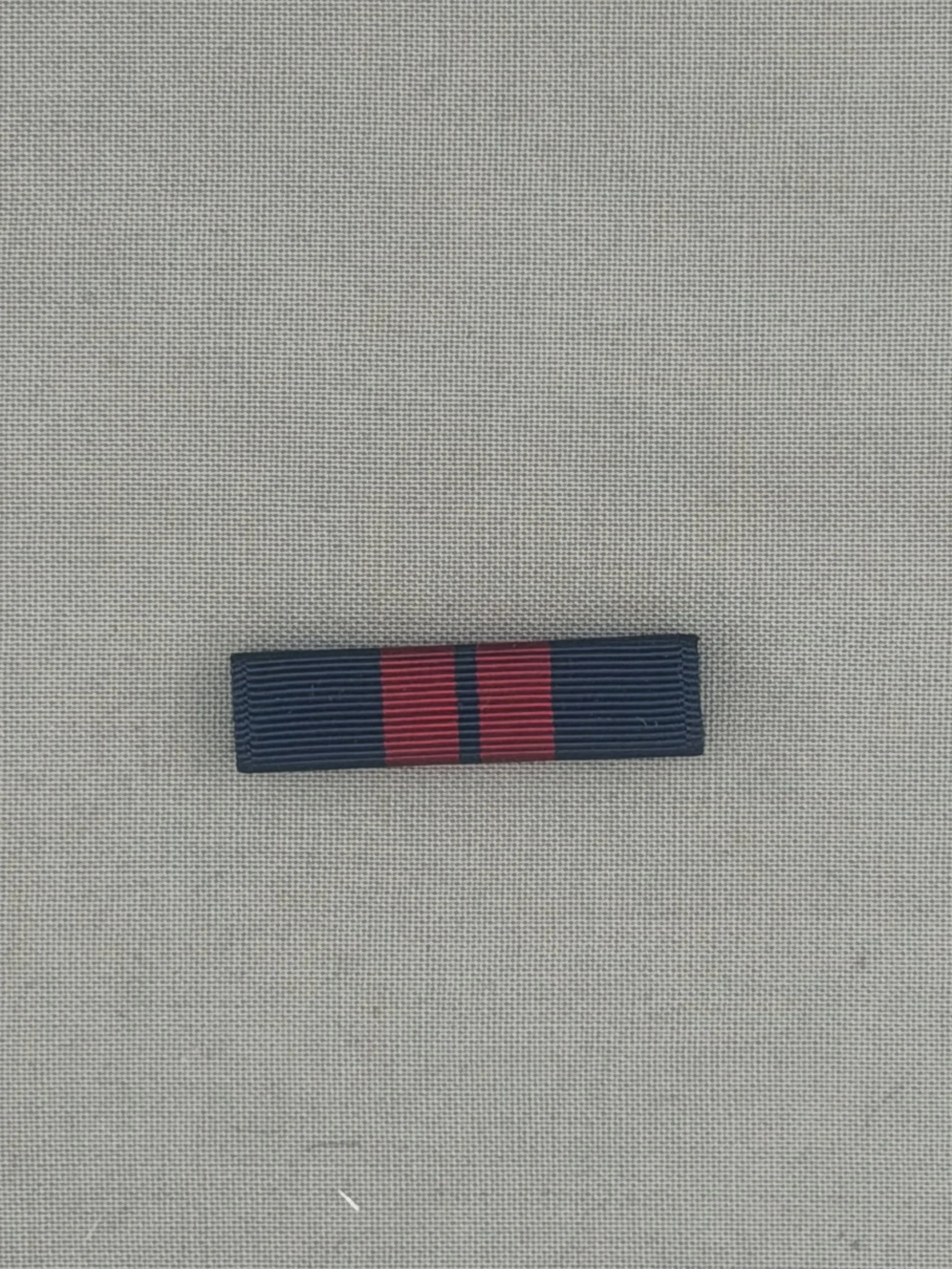
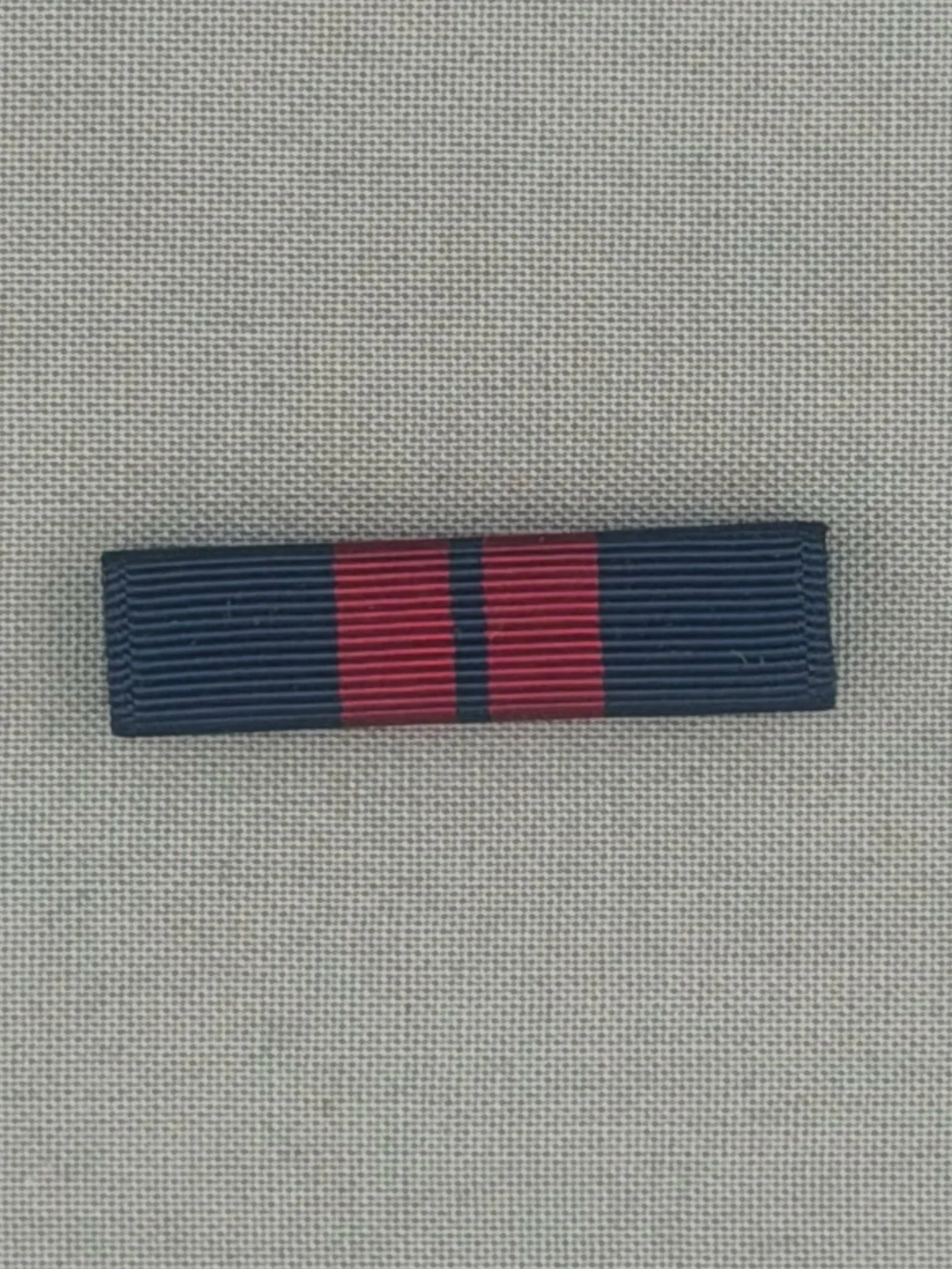
U.S. Navy First and Second Haitian Campaign Medal Ribbon Bar – New Old Stock
An unused New Old Stock (NOS) ribbon bar representing the United States Navy Haitian Campaign Medals, awarded for qualifying naval and Marine Corps service during American military operations in Haiti in the early twentieth century.
Historical Background
During the early 1900s, Haiti experienced considerable political instability, including changes in government, internal uprisings, and armed conflict.
In July 1915, following the assassination of Haitian President Vilbrun Guillaume Sam, United States Marines landed in Haiti. Their deployment marked the beginning of an American military occupation that continued until 1934.
American naval personnel and Marines conducted security operations, guarded strategic locations, and participated in military engagements against Haitian resistance forces known as the Cacos.
The United States Navy established two separate Haitian Campaign Medals to recognize qualifying service during distinct periods of these operations.
The First Haitian Campaign Medal was established in 1917 for qualifying service during 1915.
The Second Haitian Campaign Medal was established in 1921 for qualifying service during operations between 1919 and 1920.
Why They Were Awarded
The First Haitian Campaign Medal recognized qualifying Navy and Marine Corps personnel who participated in designated operations in Haiti during 1915.
The Second Haitian Campaign Medal recognized qualifying personnel involved in military operations against armed resistance in Haiti during 1919–1920.
These decorations commemorate American naval and Marine Corps service during the occupation of Haiti.
Item Details
Country: United States
Decorations: First and Second Haitian Campaign Medals
Service branches: U.S. Navy and Marine Corps
First campaign: 1915
Second campaign: 1919–1920
Historical association: United States occupation of Haiti
Type: Military campaign ribbon bar
Condition: New Old Stock (NOS)
Item offered: Ribbon bar only; no medals included
SKU: US700241360
An interesting addition to a collection of early United States Navy decorations, Marine Corps militaria, Caribbean military history, or American campaign ribbon bars.
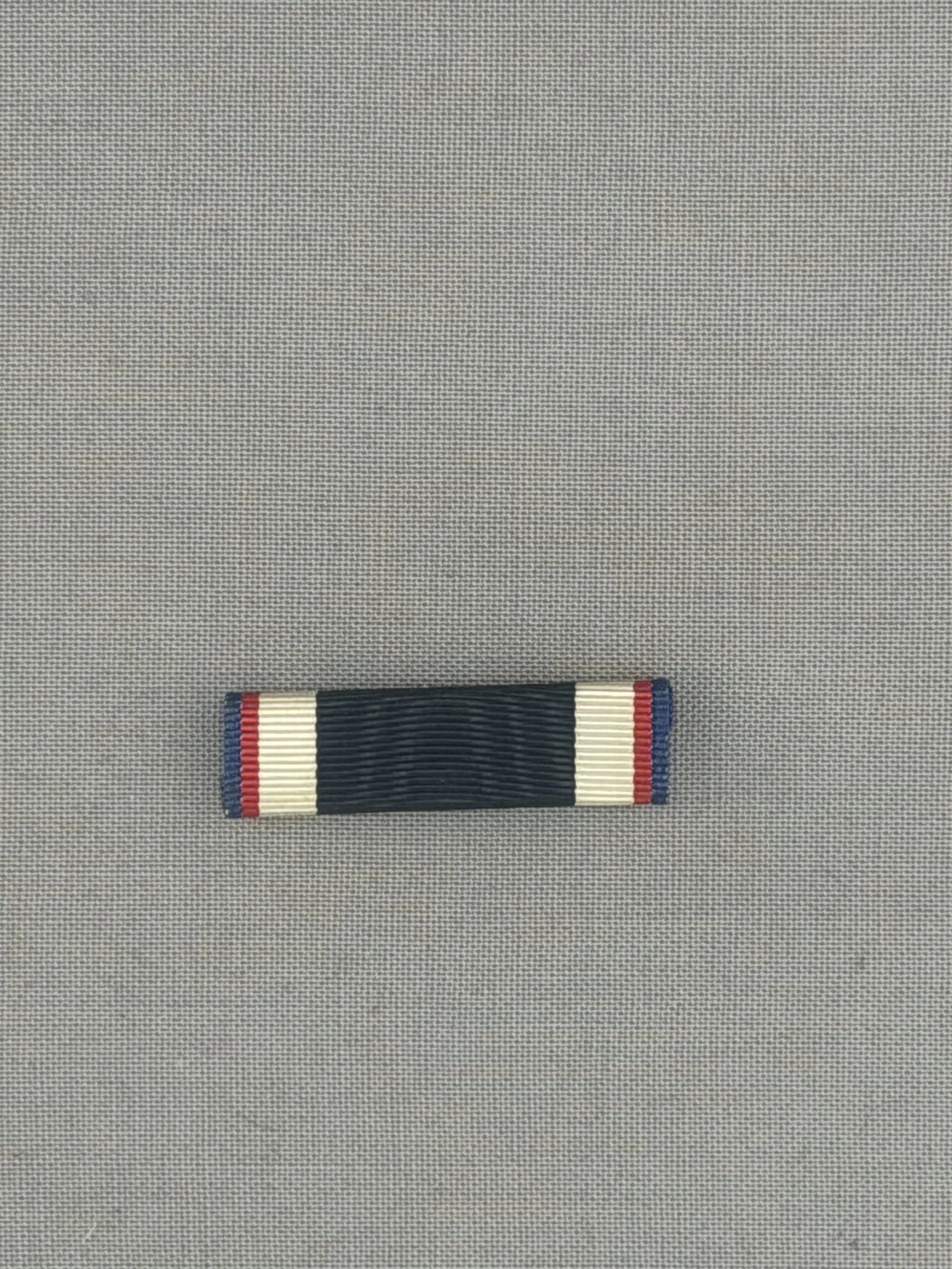
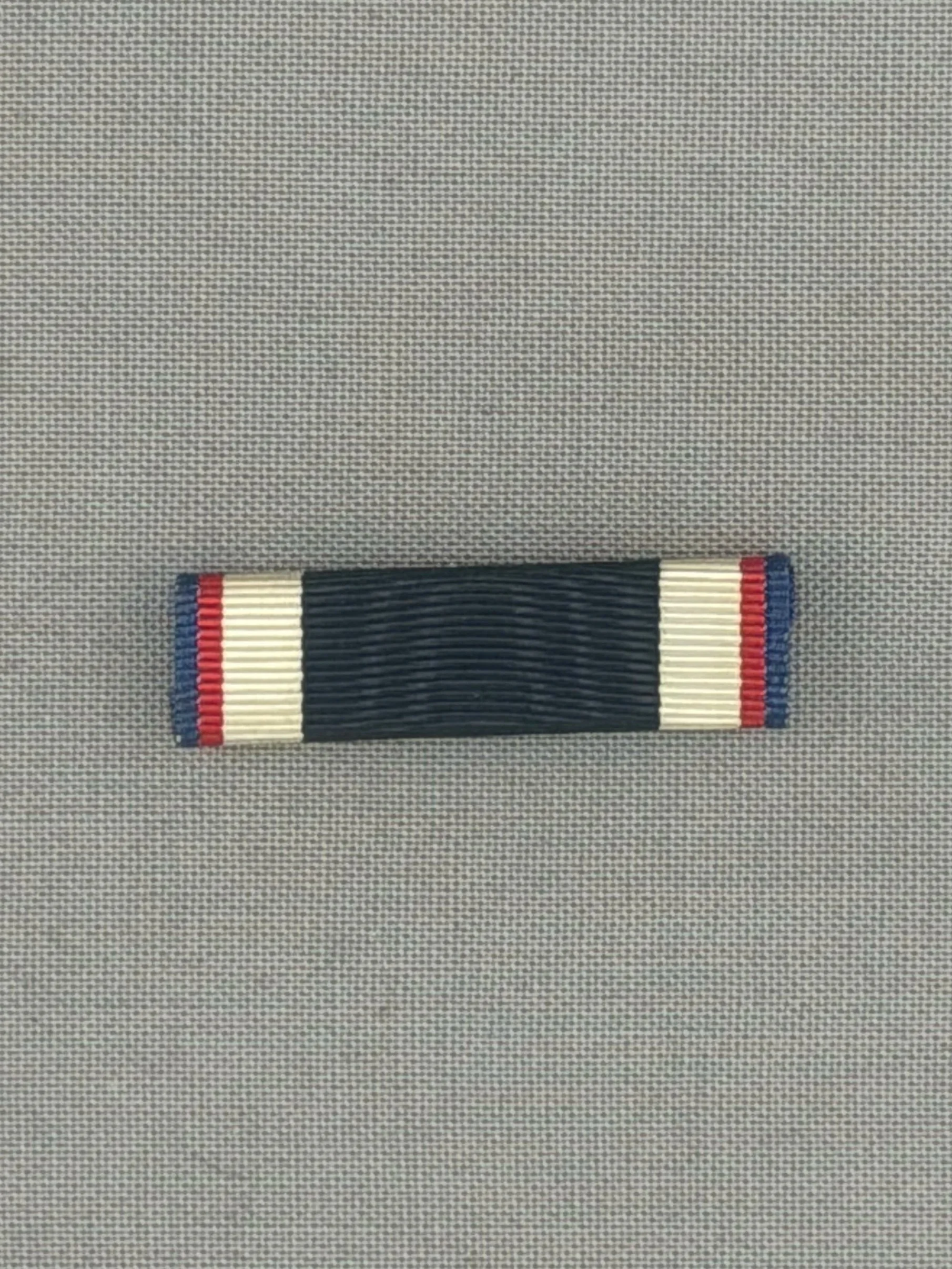
U.S. Army of Occupation of Germany Medal Ribbon Bar – New Old Stock
An unused New Old Stock (NOS) ribbon bar representing the United States Army of Occupation of Germany Medal, a military decoration recognizing American service in Germany following the First World War.
Historical Background
Following the Armistice of November 11, 1918, Allied military forces occupied portions of Germany as part of the agreements ending the First World War.
American troops, including elements of the American Expeditionary Forces, advanced into the German Rhineland and established occupation positions along the Rhine River.
The American occupation was centered around the city of Coblenz (modern Koblenz), where U.S. forces helped maintain security, supervise compliance with armistice provisions, and support the transition from wartime operations to peacetime conditions.
The occupation continued after the signing of the Treaty of Versailles in June 1919, with American forces remaining in Germany until 1923.
The Army of Occupation of Germany Medal was established on November 21, 1941, to recognize qualifying American military service during the postwar occupation.
Why It Was Awarded
The medal recognized eligible members of the United States Armed Forces who served with the Army of Occupation in Germany or Austria between November 12, 1918, and July 11, 1923, under the applicable award regulations.
The decoration commemorates the American military presence in Europe following the First World War.
Item Details
Country: United States
Decoration: Army of Occupation of Germany Medal
Established: November 21, 1941
Qualifying service period: November 12, 1918 – July 11, 1923
Historical association: First World War and Allied occupation of Germany
Type: Military occupation service ribbon bar
Condition: New Old Stock (NOS)
Item offered: Ribbon bar only; no medal included
SKU: US75001248
An interesting addition to a collection of First World War militaria, American Expeditionary Forces memorabilia, or early United States military decorations.
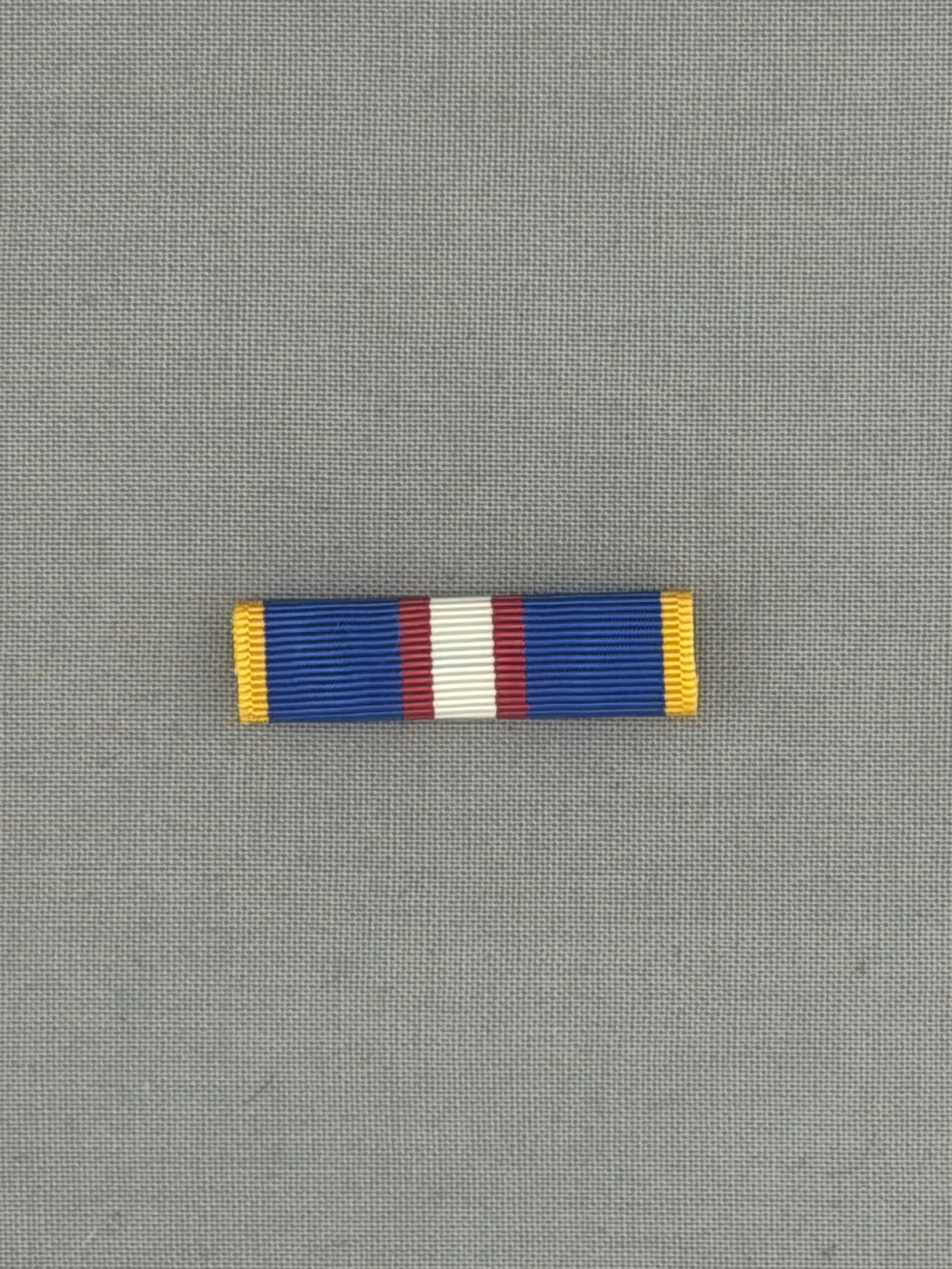
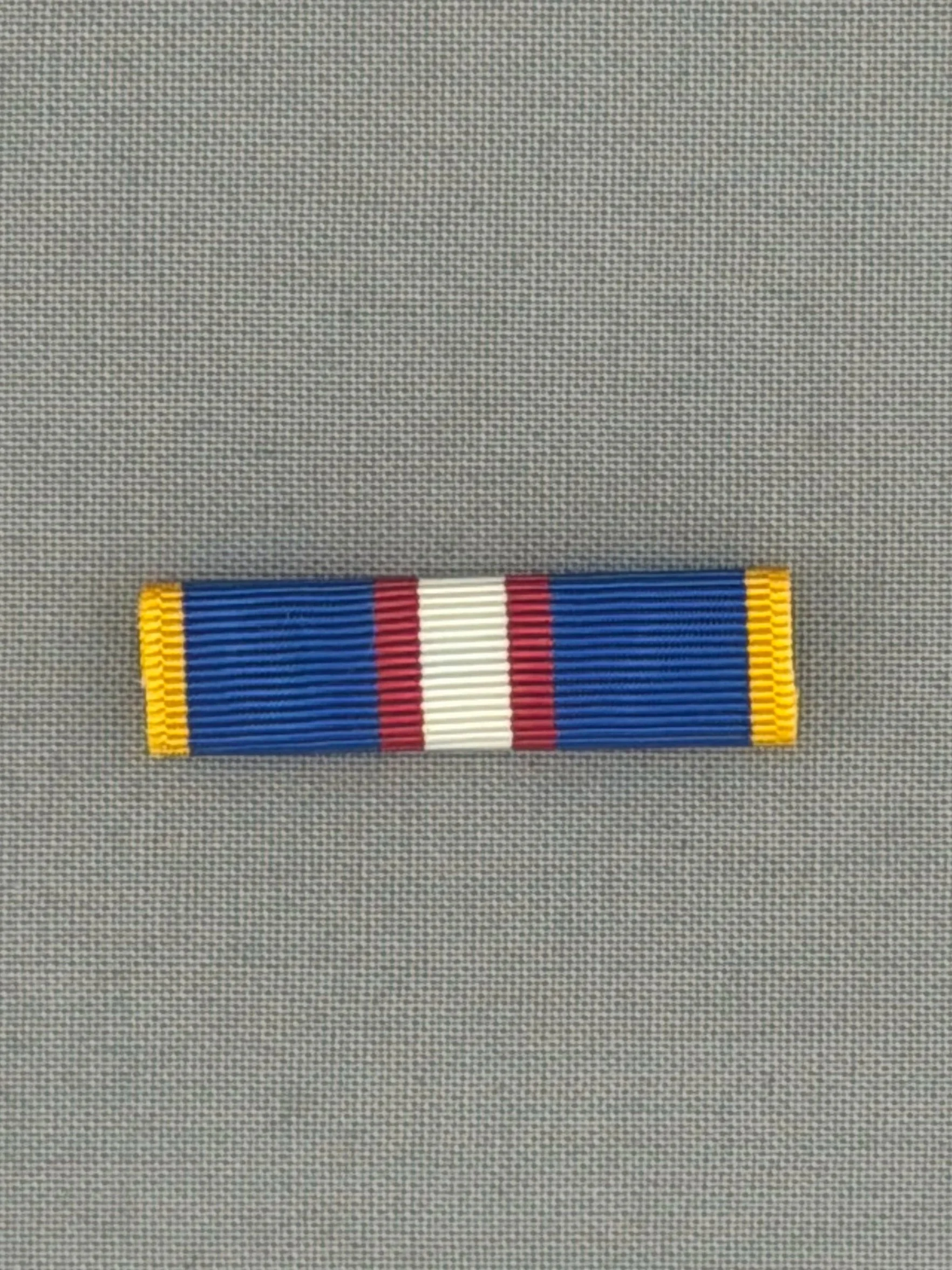
Philippine Independence Medal Ribbon Bar – New Old Stock
An unused New Old Stock (NOS) ribbon bar representing the Philippine Independence Medal, a military decoration established to commemorate the liberation of the Philippines during the Second World War and the country's transition to independence.
Historical Background
The Philippines became a major theater of operations during the Second World War following the Japanese invasion in December 1941.
American and Filipino forces fought a determined defensive campaign before the fall of Bataan and Corregidor in 1942. The subsequent Japanese occupation lasted more than three years.
In October 1944, Allied forces under General Douglas MacArthur returned to the Philippines, beginning a major campaign to liberate the islands from Japanese control.
Following the defeat of Japan in 1945, the Philippines resumed its transition toward full independence.
On July 4, 1946, the Republic of the Philippines formally gained independence from the United States.
The Philippine Independence Medal was established on July 3, 1946, to recognize qualifying military service connected with the defense and liberation of the Philippines.
Why It Was Awarded
The Philippine Independence Medal recognized eligible American and Filipino military personnel who participated in qualifying operations during the Second World War.
Eligibility generally required prior entitlement to both the Philippine Defense Medal and the Philippine Liberation Medal under the applicable award regulations.
The decoration commemorates the sacrifices of American and Filipino forces and the restoration of Philippine sovereignty.
Item Details
Country: Philippines
Decoration: Philippine Independence Medal
Established: July 3, 1946
Historical period: Second World War
Associated events: Defense and liberation of the Philippines
Type: Military commemorative ribbon bar
Ribbon colors: Blue, red, white, and yellow
Condition: New Old Stock (NOS)
Item offered: Ribbon bar only; no medal included
SKU: US003215
An interesting addition to a collection of Second World War decorations, Philippine military history, American campaign ribbons, or Pacific Theater memorabilia.
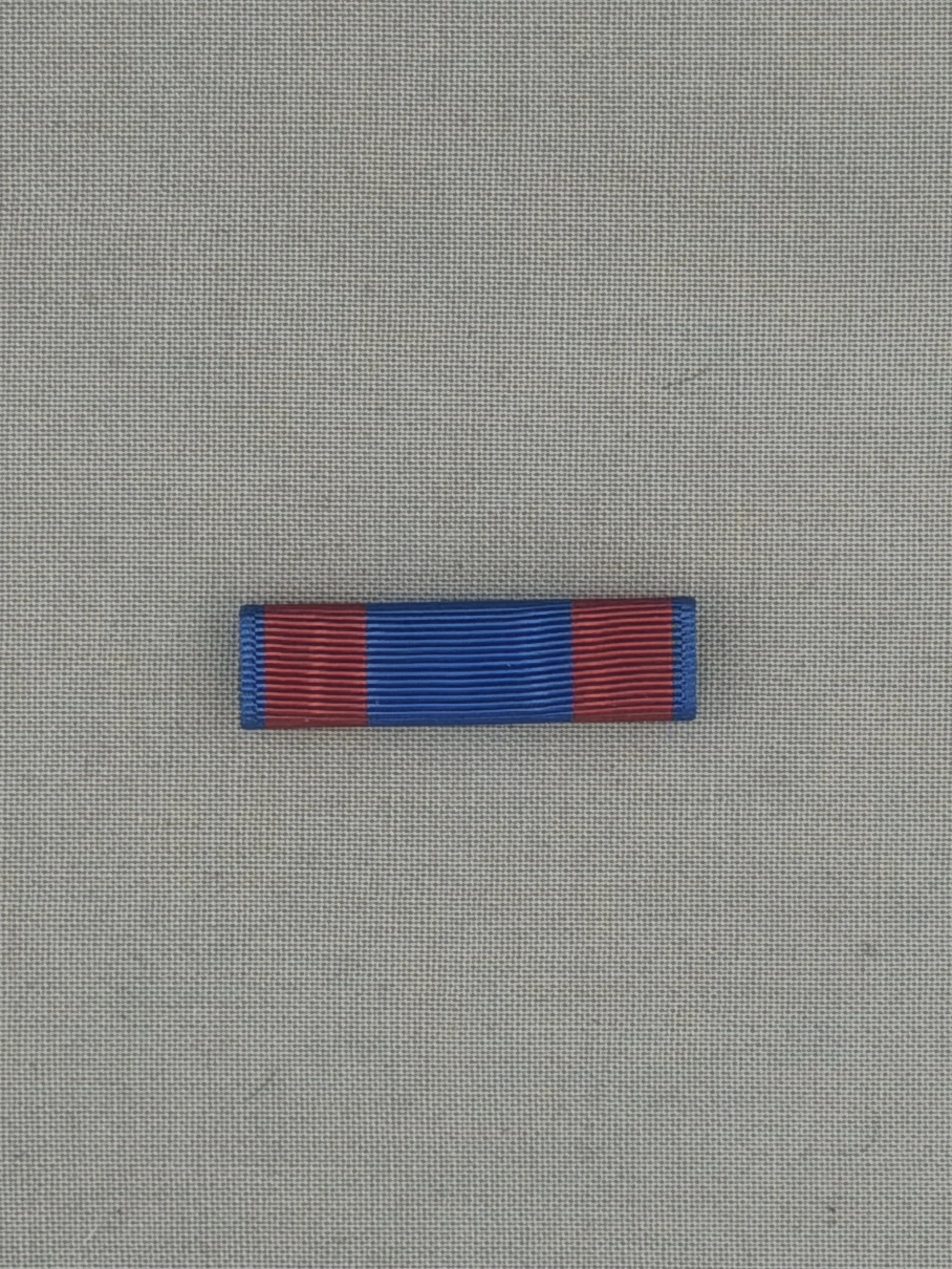
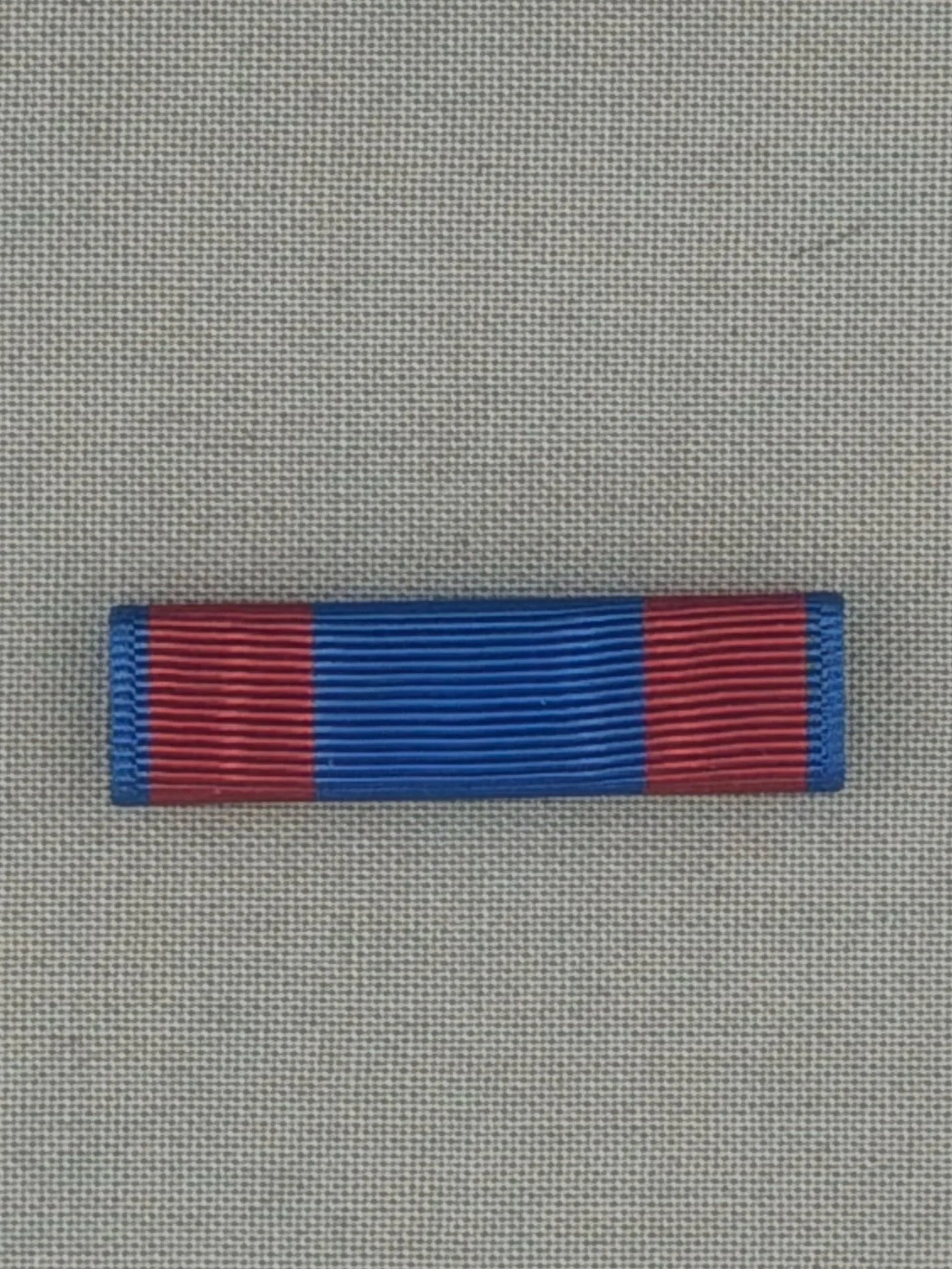
U.S. Philippine Campaign Medal Ribbon Bar – New Old Stock
An unused New Old Stock (NOS) ribbon bar representing the United States Philippine Campaign Medal, a military decoration recognizing American service during the Philippine–American War and subsequent military operations in the Philippine Islands.
Historical Background
Following the Spanish–American War of 1898, Spain ceded the Philippines to the United States under the Treaty of Paris.
On February 4, 1899, armed conflict erupted between American troops and Filipino forces seeking independence, beginning the Philippine–American War.
The conflict involved extensive military operations throughout the Philippine archipelago, including conventional engagements, counterinsurgency campaigns, and prolonged guerrilla warfare.
Although the principal phase of the war ended in 1902, American military operations continued in parts of the Philippines for several additional years.
The Philippine Campaign Medal was established by the United States Army in 1905, with a separate Navy version subsequently authorized in 1908.
The decoration commemorates an important and complex period in American military history and the development of the United States' overseas military presence.
Why It Was Awarded
The Philippine Campaign Medal recognized qualifying members of the United States Army, Navy, and Marine Corps who participated in designated military operations in the Philippine Islands.
Eligibility depended on the service branch, dates of service, and participation in authorized operations.
Item Details
Country: United States
Decoration: Philippine Campaign Medal
Service branches: U.S. Army, Navy, and Marine Corps
Historical period: 1899–1913
Associated conflict: Philippine–American War
Type: Military campaign ribbon bar
Ribbon colors: Blue and red
Condition: New Old Stock (NOS)
Item offered: Ribbon bar only; no medal included
SKU: US74302650
An interesting addition to a collection of early American military decorations, Philippine–American War memorabilia, or United States campaign ribbon bars.
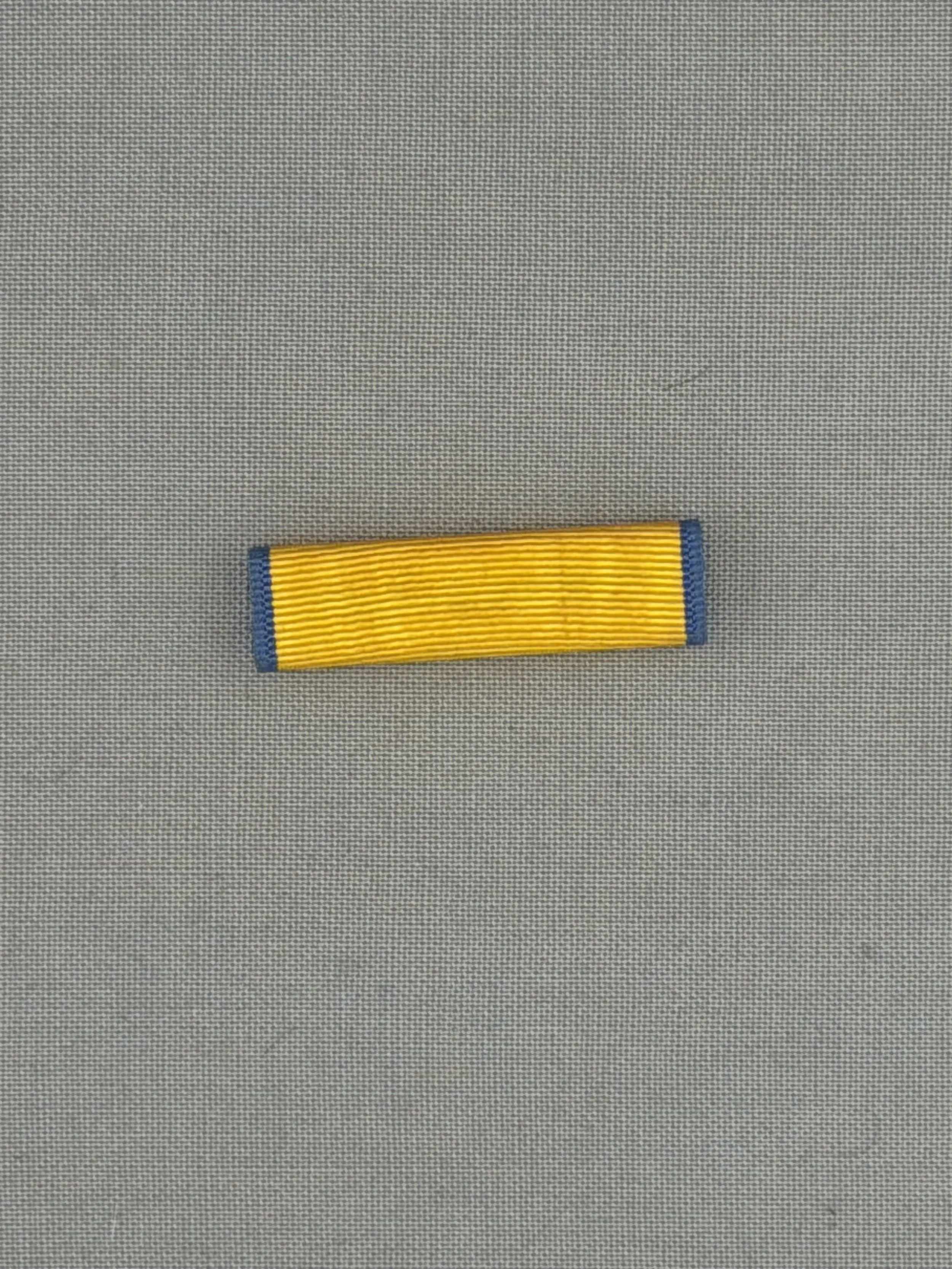
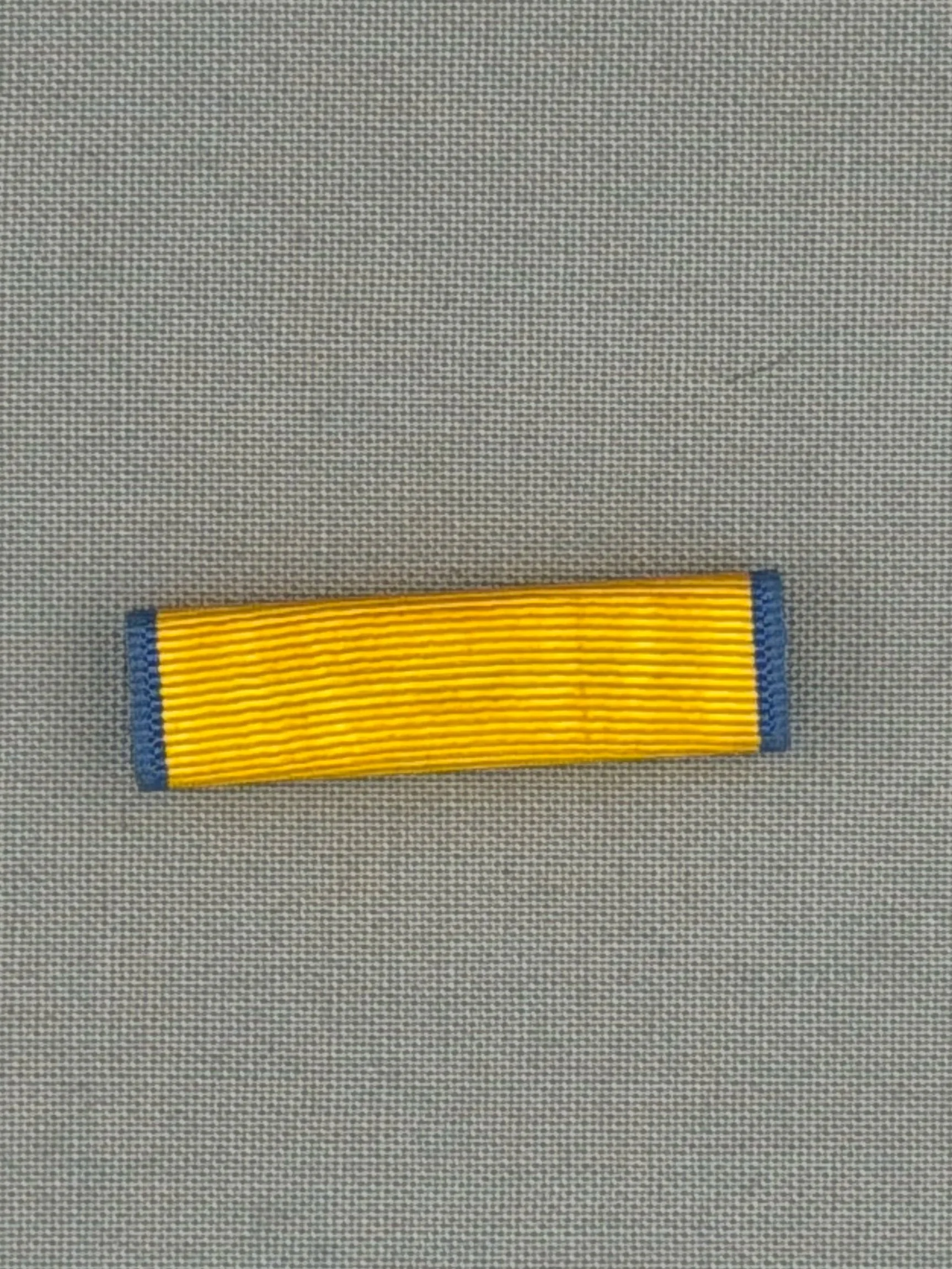
U.S. Navy China Relief Expedition Medal Ribbon Bar – New Old Stock
An unused New Old Stock (NOS) ribbon bar representing the United States Navy China Relief Expedition Medal, a military campaign decoration associated with American naval operations during the Boxer Rebellion in China.
Historical Background
In 1900, an anti-foreign uprising known as the Boxer Rebellion spread across northern China. Members of the Boxer movement opposed foreign political, economic, and religious influence within the Qing Empire.
As violence escalated, foreign diplomats and civilians became trapped in the Legation Quarter of Beijing.
An international military coalition, commonly known as the Eight-Nation Alliance, was organized to relieve the besieged foreign legations and protect foreign nationals.
The United States contributed naval personnel, Marines, and Army troops to the campaign. American forces participated in several important operations, including the advance toward Beijing and the relief of the besieged legations in August 1900.
The China Relief Expedition Medal was established by the U.S. Navy in 1908 to recognize qualifying service during these operations.
Why It Was Awarded
The China Relief Expedition Medal recognized eligible United States Navy and Marine Corps personnel who participated in designated operations connected with the Boxer Rebellion.
The decoration commemorates American military involvement in the international expedition to China during 1900.
Item Details
Country: United States
Decoration: China Relief Expedition Medal
Service branches: U.S. Navy and Marine Corps
Established: 1908
Historical conflict: Boxer Rebellion
Campaign period: 1900
Type: Military campaign ribbon bar
Ribbon color: Yellow
Condition: New Old Stock (NOS)
Item offered: Ribbon bar only; no medal included
Quantity available: 3
An interesting addition to a collection of early United States Navy decorations, Marine Corps militaria, Boxer Rebellion memorabilia, or American campaign ribbon bars.
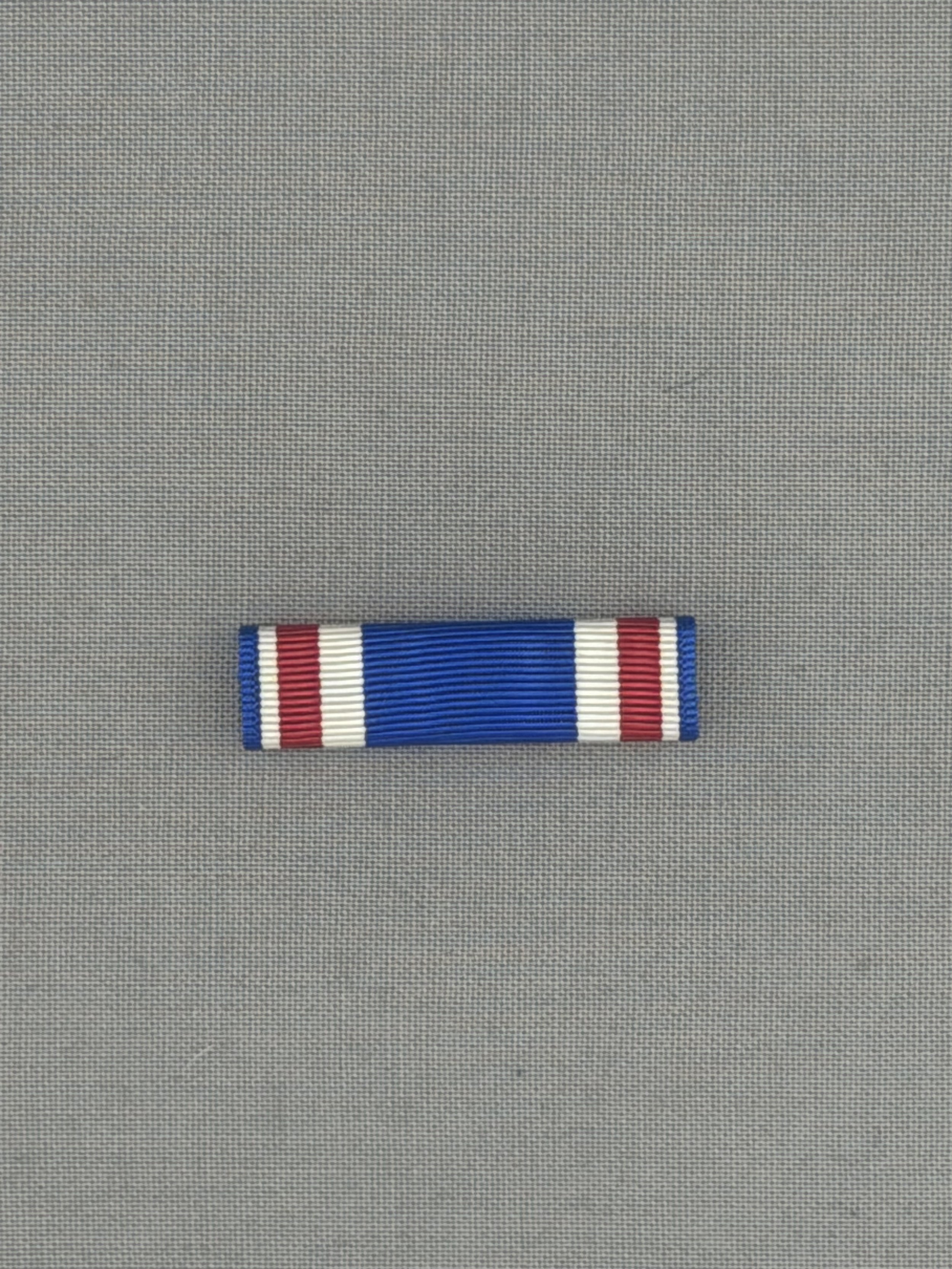
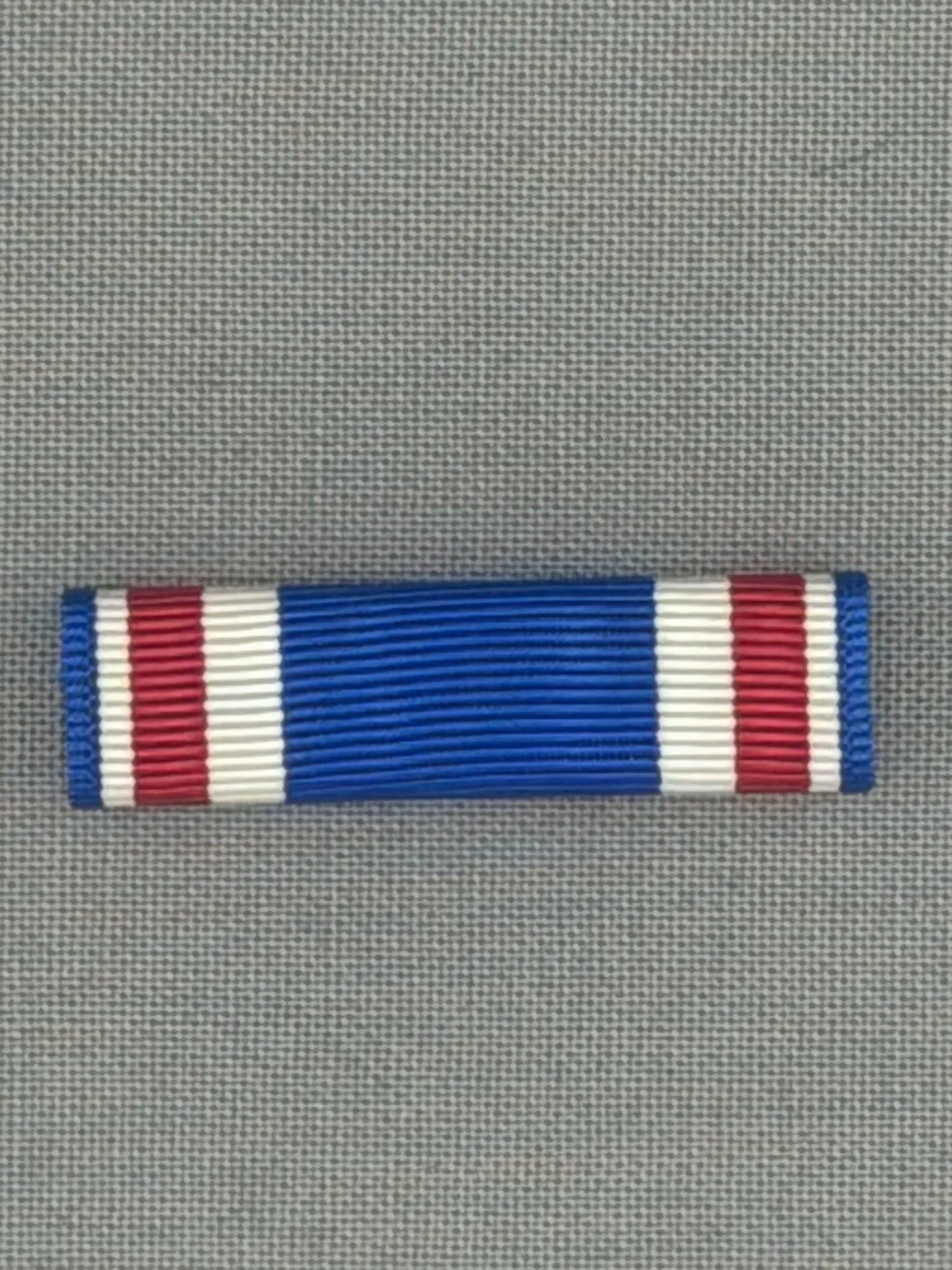
U.S. Philippine Congressional Medal Ribbon Bar – New Old Stock
An unused New Old Stock (NOS) ribbon bar representing the Philippine Congressional Medal, also known as the Philippine Campaign Congressional Medal, a United States military decoration recognizing certain Army volunteers who served during the Philippine–American War.
Historical Background
Following the Spanish–American War of 1898, Spain ceded the Philippines to the United States under the Treaty of Paris.
In February 1899, fighting broke out between American forces and Filipino independence fighters, beginning the Philippine–American War.
The conflict involved extensive military operations throughout the Philippine Islands as American forces sought to establish control over the territory.
Many of the American soldiers who participated in the early campaigns belonged to volunteer regiments originally organized during the Spanish–American War.
The Philippine Congressional Medal was authorized by Congress on June 29, 1906, and formally established by the War Department in 1908.
Why It Was Awarded
The medal recognized qualifying United States Army volunteers who served in the Philippines during the Philippine–American War.
Eligibility was specifically associated with volunteer soldiers who enlisted for the Spanish–American War, served beyond their original enlistment period, and received honorable discharges under the applicable requirements.
Unlike the more broadly awarded Philippine Campaign Medal, the Philippine Congressional Medal recognized a particular category of volunteer service.
Item Details
Country: United States
Decoration: Philippine Congressional Medal
Service branch: U.S. Army
Congressional authorization: June 29, 1906
Historical conflict: Philippine–American War
Type: Military service ribbon bar
Ribbon colors: Red, white, and blue
Condition: New Old Stock (NOS)
Item offered: Ribbon bar only; no medal included
SKU: US8423600
An interesting addition to a collection of early United States military decorations, Philippine–American War memorabilia, or American campaign ribbon bars.
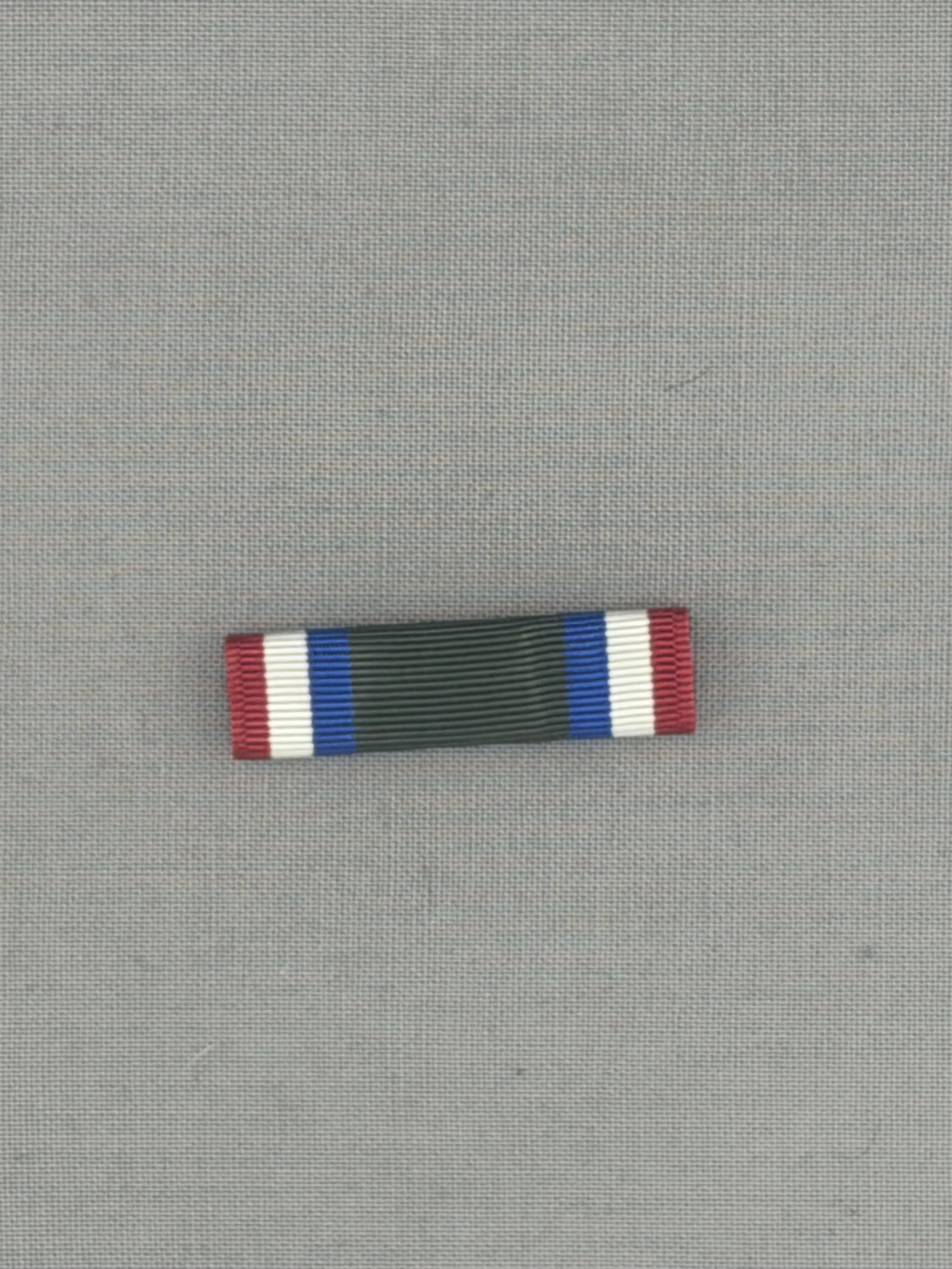
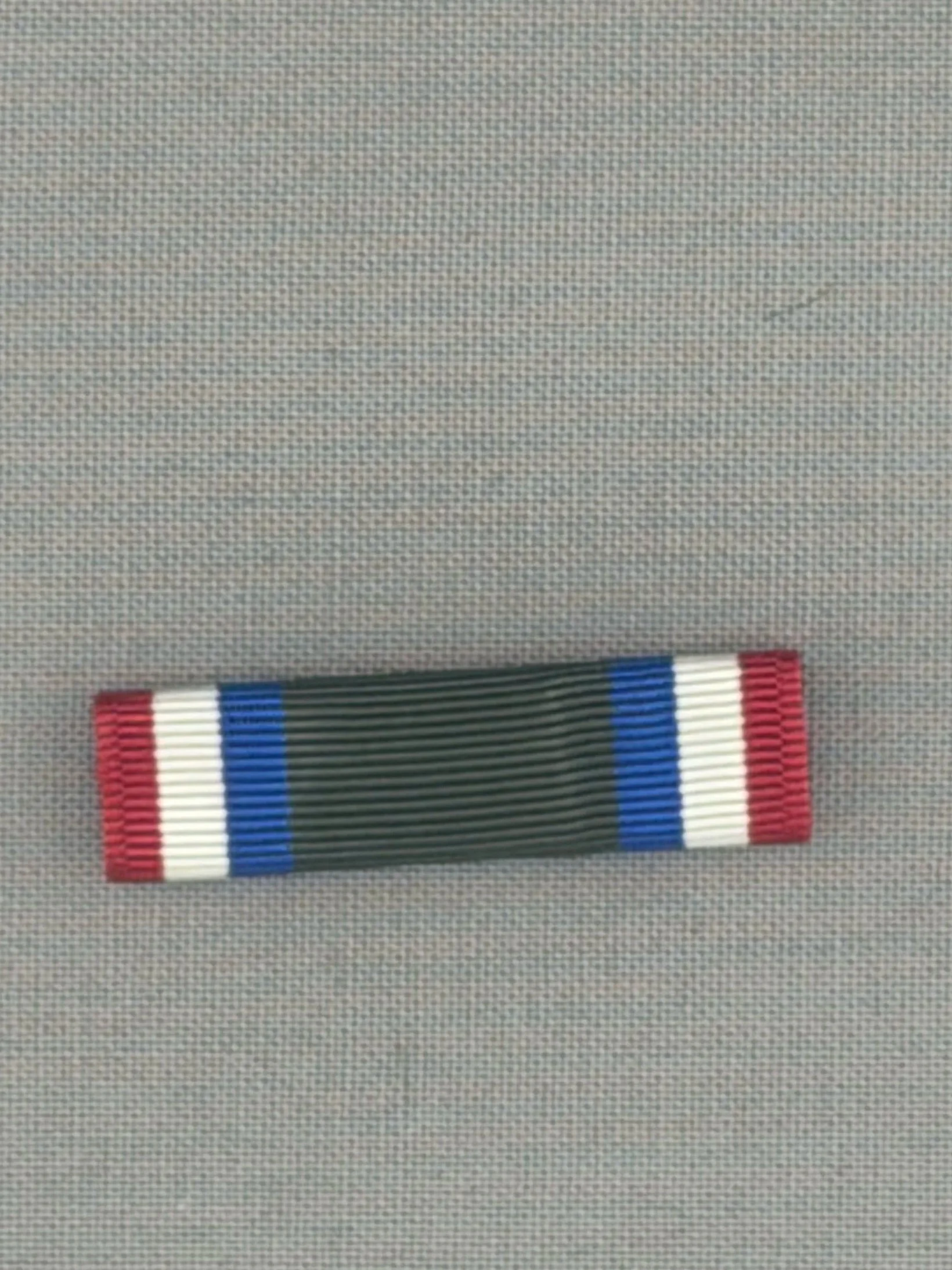
U.S. Army of Cuban Pacification Medal Ribbon Bar – New Old Stock
An unused New Old Stock (NOS) ribbon bar representing the United States Army of Cuban Pacification Medal, a military campaign decoration recognizing American soldiers who served in Cuba during the Second Occupation of Cuba from 1906 to 1909.
Historical Background
Following the Spanish–American War of 1898, Cuba came under temporary United States military administration before formally gaining independence in 1902.
However, political unrest and disputed elections in 1906 threatened the stability of the newly independent Cuban government.
In September 1906, the United States intervened under the provisions of the Platt Amendment, establishing a provisional government and deploying American troops to maintain order.
The occupation force, known as the Army of Cuban Pacification, was responsible for maintaining security, protecting American interests, and supporting the restoration of stable civilian government.
American soldiers remained stationed throughout Cuba until January 1909, when the occupation ended and governmental authority was returned to Cuban officials.
The Army of Cuban Pacification Medal was established on May 11, 1909, to recognize qualifying military service during this period.
Why It Was Awarded
The Army of Cuban Pacification Medal recognized United States Army personnel who served in Cuba between October 6, 1906, and April 1, 1909, under the prescribed eligibility requirements.
The decoration commemorates American military participation in the Second Occupation of Cuba, an important chapter in early twentieth-century United States and Caribbean history.
Item Details
Country: United States
Decoration: Army of Cuban Pacification Medal
Service branch: U.S. Army
Established: May 11, 1909
Qualifying service period: October 6, 1906 – April 1, 1909
Historical event: Second Occupation of Cuba
Type: Military campaign ribbon bar
Condition: New Old Stock (NOS)
Item offered: Ribbon bar only; no medal included
SKU: US80502569
An interesting addition to a collection of early United States military decorations, Cuban occupation memorabilia, Spanish–American War-era militaria, or American campaign ribbon bars.
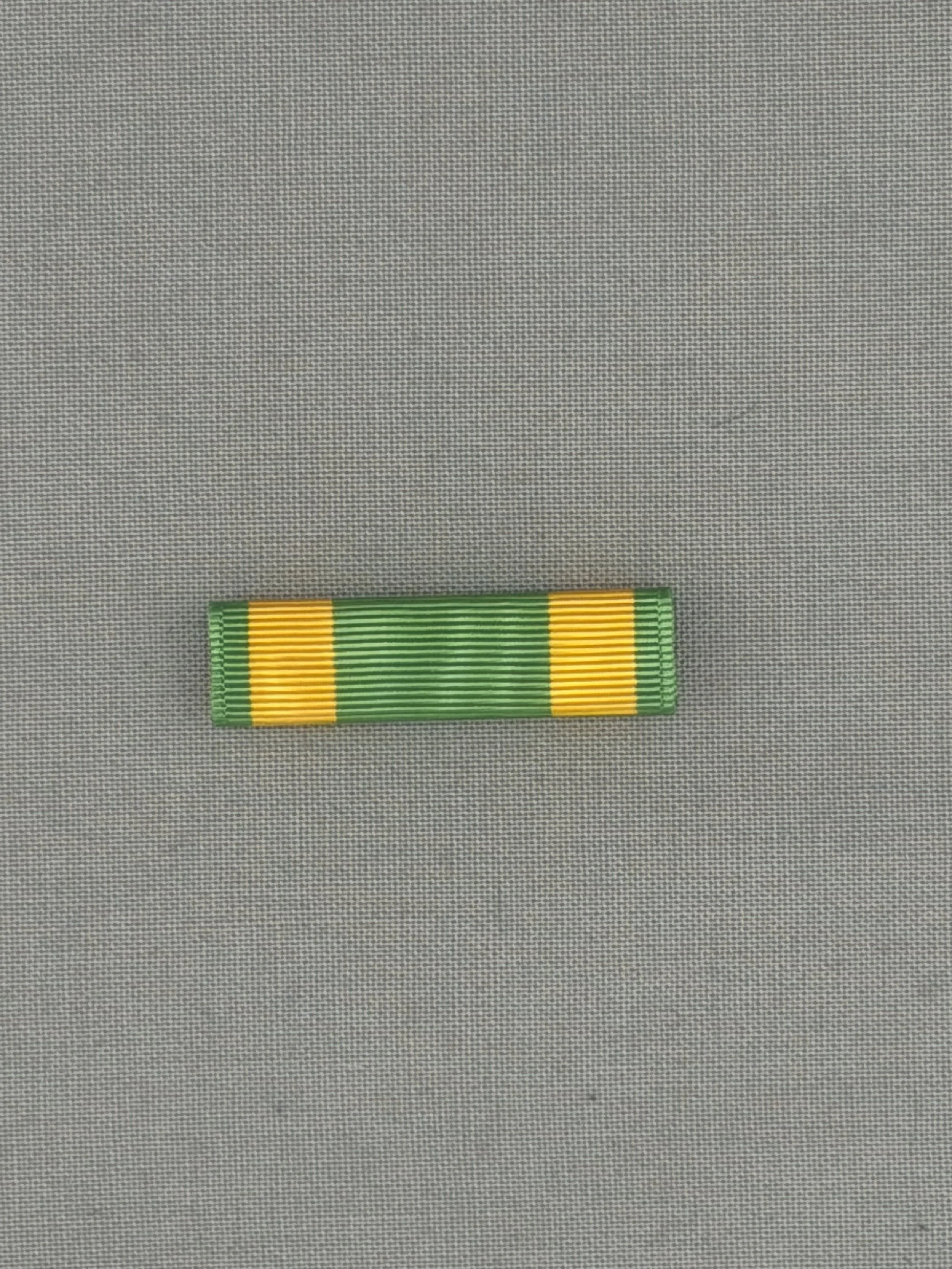
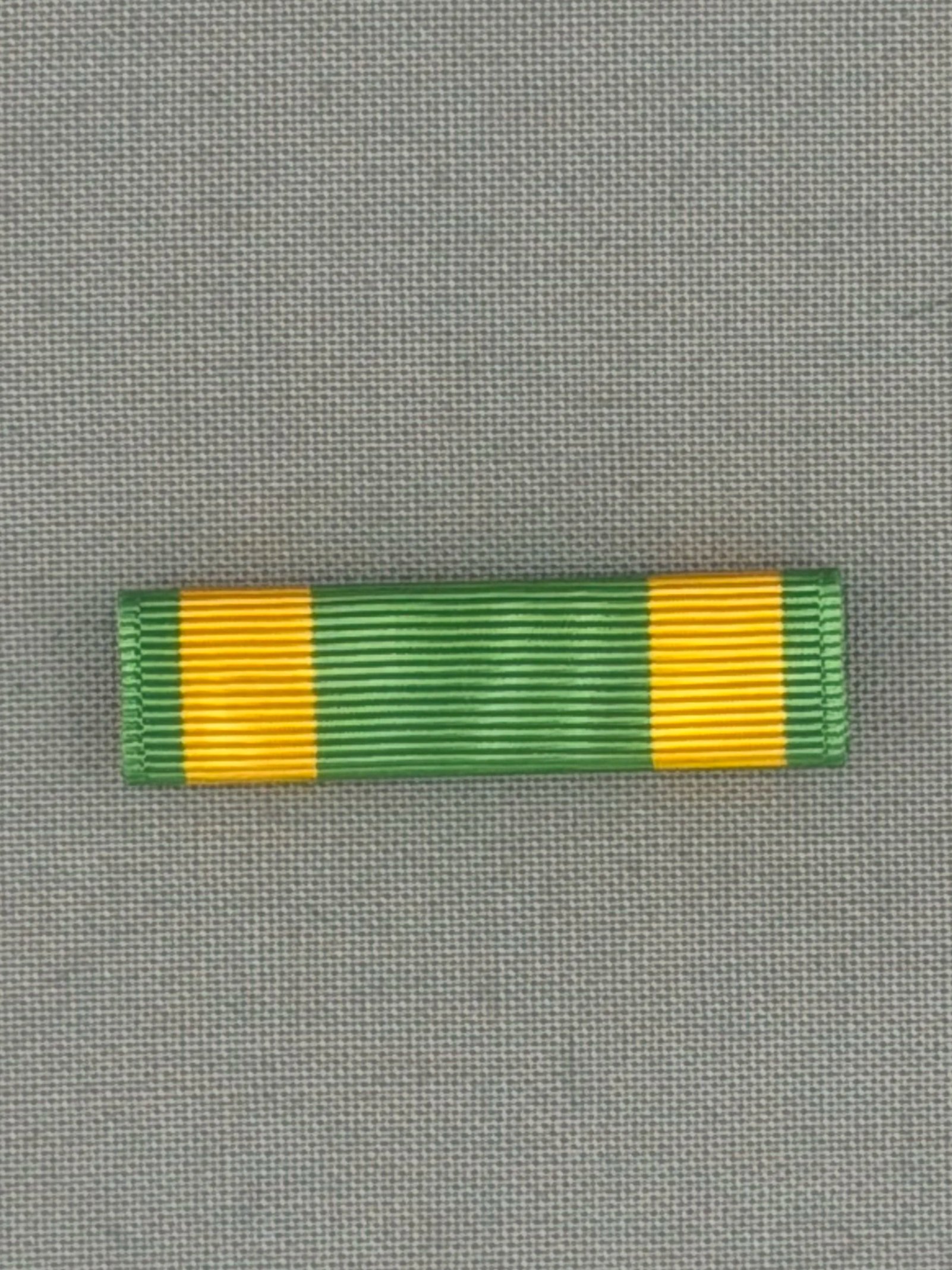
U.S. Army Spanish War Service Medal Ribbon Bar – New Old Stock
An unused New Old Stock (NOS) ribbon bar representing the United States Army Spanish War Service Medal, a military decoration recognizing soldiers who served during the Spanish–American War but did not qualify for the Spanish Campaign Medal.
Historical Background
The Spanish–American War began in April 1898 following increasing tensions between the United States and Spain over Spanish colonial rule in Cuba.
American military forces conducted operations in Cuba, Puerto Rico, and the Philippines, while thousands of additional soldiers were mobilized and stationed throughout the United States.
Although many soldiers did not participate directly in overseas combat operations, their service was essential to the mobilization, training, transportation, and logistical support of the American war effort.
The Spanish War Service Medal was established on July 9, 1918, to recognize qualifying United States Army personnel who served during the war but were not eligible for the Spanish Campaign Medal.
Why It Was Awarded
The Spanish War Service Medal recognized qualifying United States Army personnel who performed active military service between April 20, 1898, and April 11, 1899, but did not qualify for the Spanish Campaign Medal.
The decoration acknowledged the contributions of soldiers who supported the American military effort during the Spanish–American War.
Item Details
Country: United States
Decoration: Spanish War Service Medal
Service branch: U.S. Army
Established: July 9, 1918
Qualifying service period: April 20, 1898 – April 11, 1899
Historical conflict: Spanish–American War
Type: Military service ribbon bar
Ribbon colors: Yellow and green
Condition: New Old Stock (NOS)
Item offered: Ribbon bar only; no medal included
SKU: US7009852
An interesting addition to a collection of Spanish–American War memorabilia, early American military decorations, or United States Army ribbon bars.
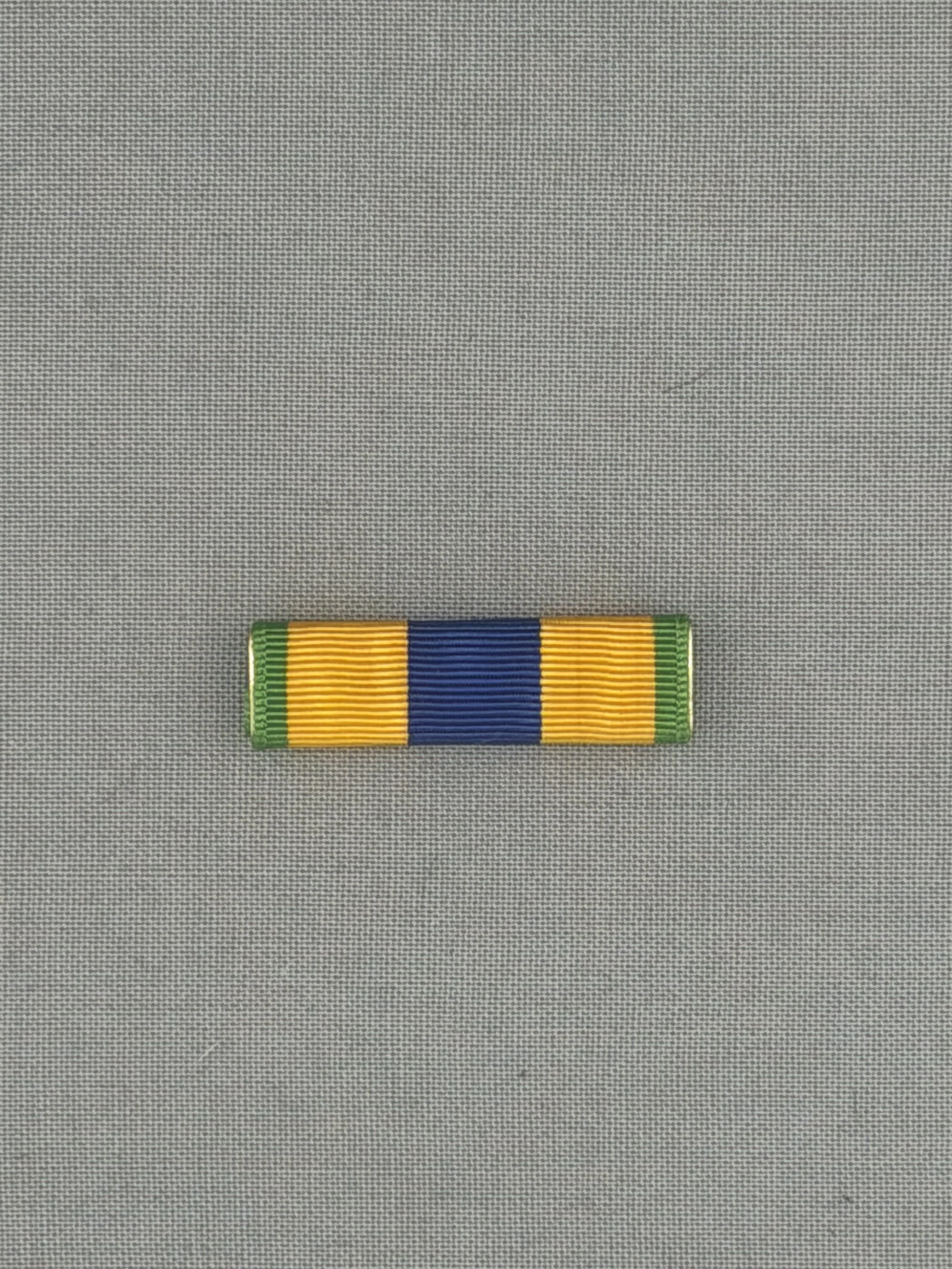
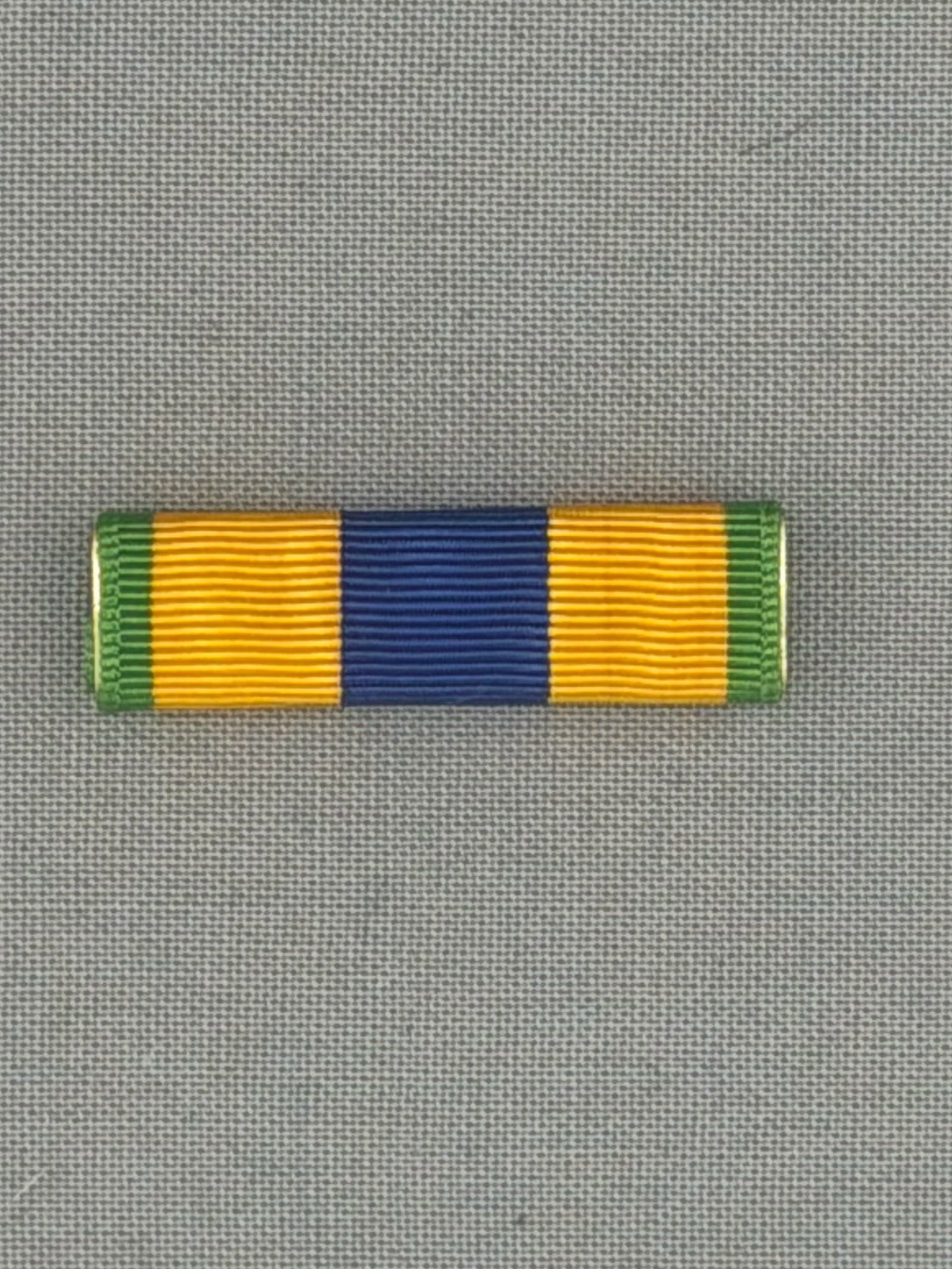
U.S. Mexican Service Medal Ribbon Bar – New Old Stock
An unused New Old Stock (NOS) ribbon bar representing the United States Mexican Service Medal, an American military campaign decoration associated with military operations along the Mexican border and within Mexico during the Mexican Revolution.
Historical Background
The Mexican Revolution began in 1910, bringing years of political upheaval, armed conflict, and instability along the United States–Mexico border.
During this period, American military forces conducted several operations in response to developments in Mexico.
One of the most significant was the United States occupation of Veracruz in 1914, when American naval and Marine Corps personnel landed at the Mexican port city.
In March 1916, following Pancho Villa's raid on Columbus, New Mexico, General John J. Pershing led the Punitive Expedition into northern Mexico in an unsuccessful attempt to capture Villa.
The Mexican Service Medal was established in 1917 for the U.S. Army and in 1918 for the U.S. Navy to recognize qualifying participation in designated military operations.
Why It Was Awarded
The Mexican Service Medal recognized eligible members of the United States Armed Forces who participated in designated military operations involving Mexico between 1911 and 1919.
The decoration commemorates American military service during the Mexican Revolution, including operations at Veracruz and the Punitive Expedition.
Item Details
Country: United States
Decoration: Mexican Service Medal
Historical period: 1911–1919
Associated events: Mexican Revolution, Veracruz occupation, and Punitive Expedition
Type: Military campaign ribbon bar
Ribbon colors: Yellow with blue and green stripes
Condition: New Old Stock (NOS)
Item offered: Ribbon bar only; no medal included
SKU: US852001420
An interesting addition to a collection of early twentieth-century American military decorations, Mexican Border Campaign memorabilia, or United States Army and Navy ribbon bars.
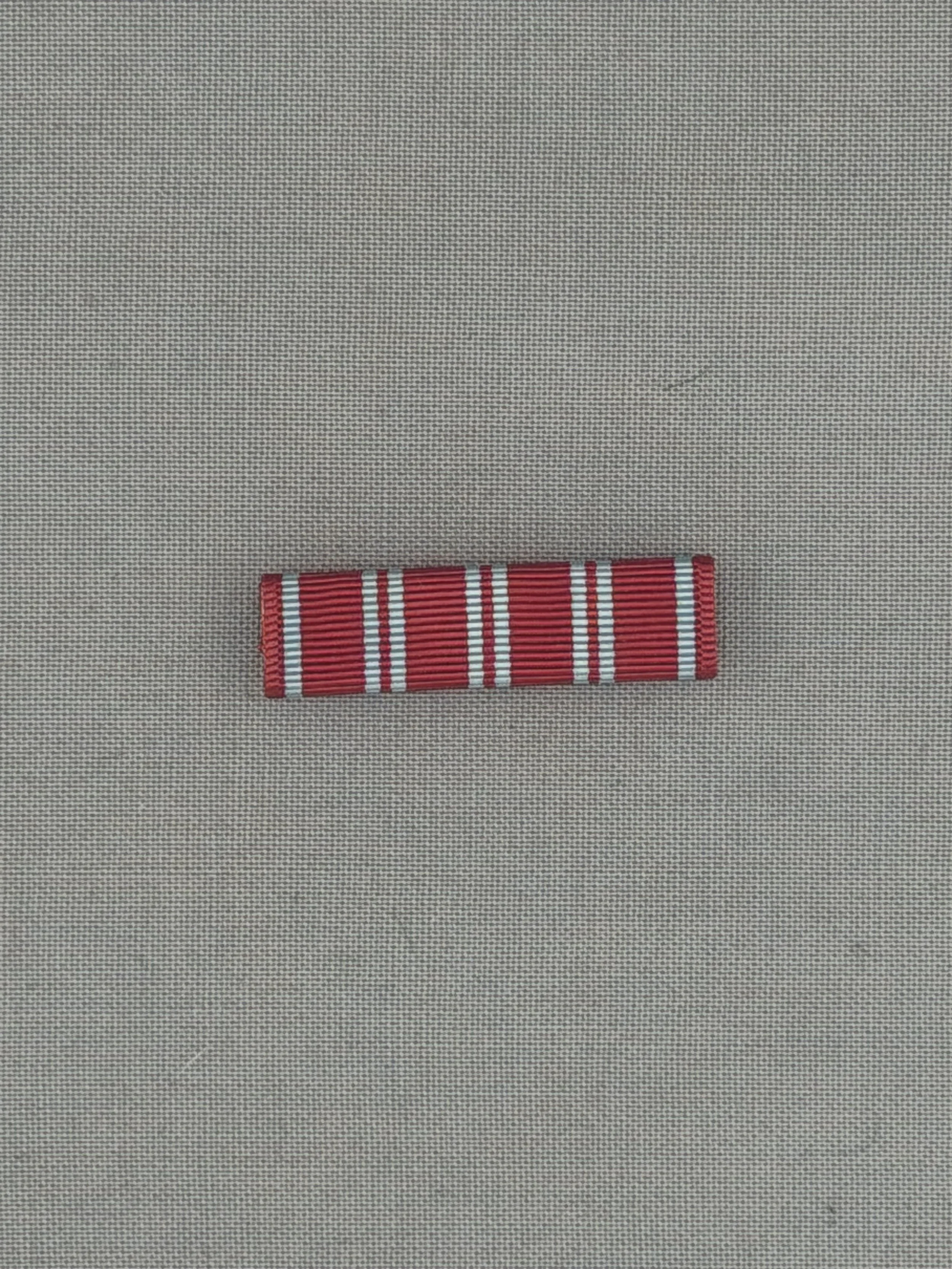
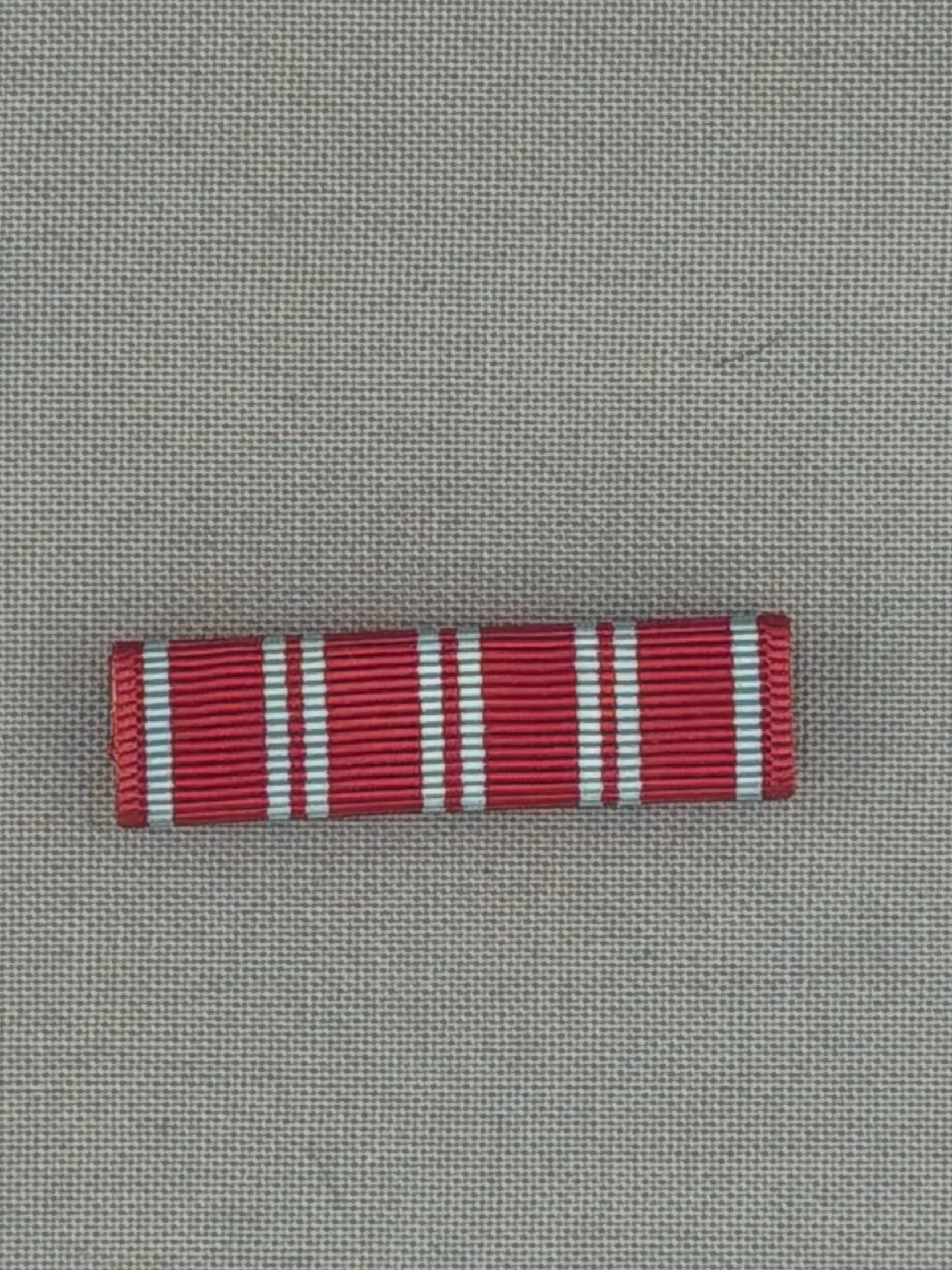
SeU.S. Navy Second Nicaraguan Campaign Medal Ribbon Bar – New Old Stock
An unused New Old Stock (NOS) ribbon bar representing the United States Navy Second Nicaraguan Campaign Medal, a military campaign decoration associated with American naval and Marine Corps operations in Nicaragua between 1926 and 1933.
Historical Background
During the early twentieth century, the United States maintained a significant military presence in Central America, frequently intervening during periods of political instability.
In 1926, renewed civil conflict in Nicaragua prompted the deployment of United States naval forces and Marines to protect American interests and assist in restoring order.
American military personnel participated in operations throughout Nicaragua, including patrols, security duties, and engagements with armed insurgent forces.
One of the most notable figures opposing the American military presence was Augusto César Sandino, whose guerrilla forces conducted an extended campaign against U.S. Marines and the Nicaraguan National Guard.
The Second Nicaraguan Campaign Medal was established in 1929 to recognize qualifying service during these operations.
American Marines withdrew from Nicaragua in January 1933, bringing the principal period of U.S. military involvement in the campaign to a close.
Why It Was Awarded
The Second Nicaraguan Campaign Medal recognized qualifying personnel of the United States Navy and Marine Corps who participated in designated operations or served in Nicaragua during authorized campaign periods.
The decoration commemorates American military involvement in Nicaragua during the interwar years.
Item Details
Country: United States
Decoration: Second Nicaraguan Campaign Medal
Service branches: U.S. Navy and Marine Corps
Campaign period: 1926–1933
Established: 1929
Type: Military campaign ribbon bar
Condition: New Old Stock (NOS)
Item offered: Ribbon bar only; no medal included
SKU: US74100325
An interesting addition to a collection of United States Navy decorations, Marine Corps militaria, interwar military history, or American campaign ribbon bars.conded Nicaraguan Campaign ribbon bar 1st pattern.
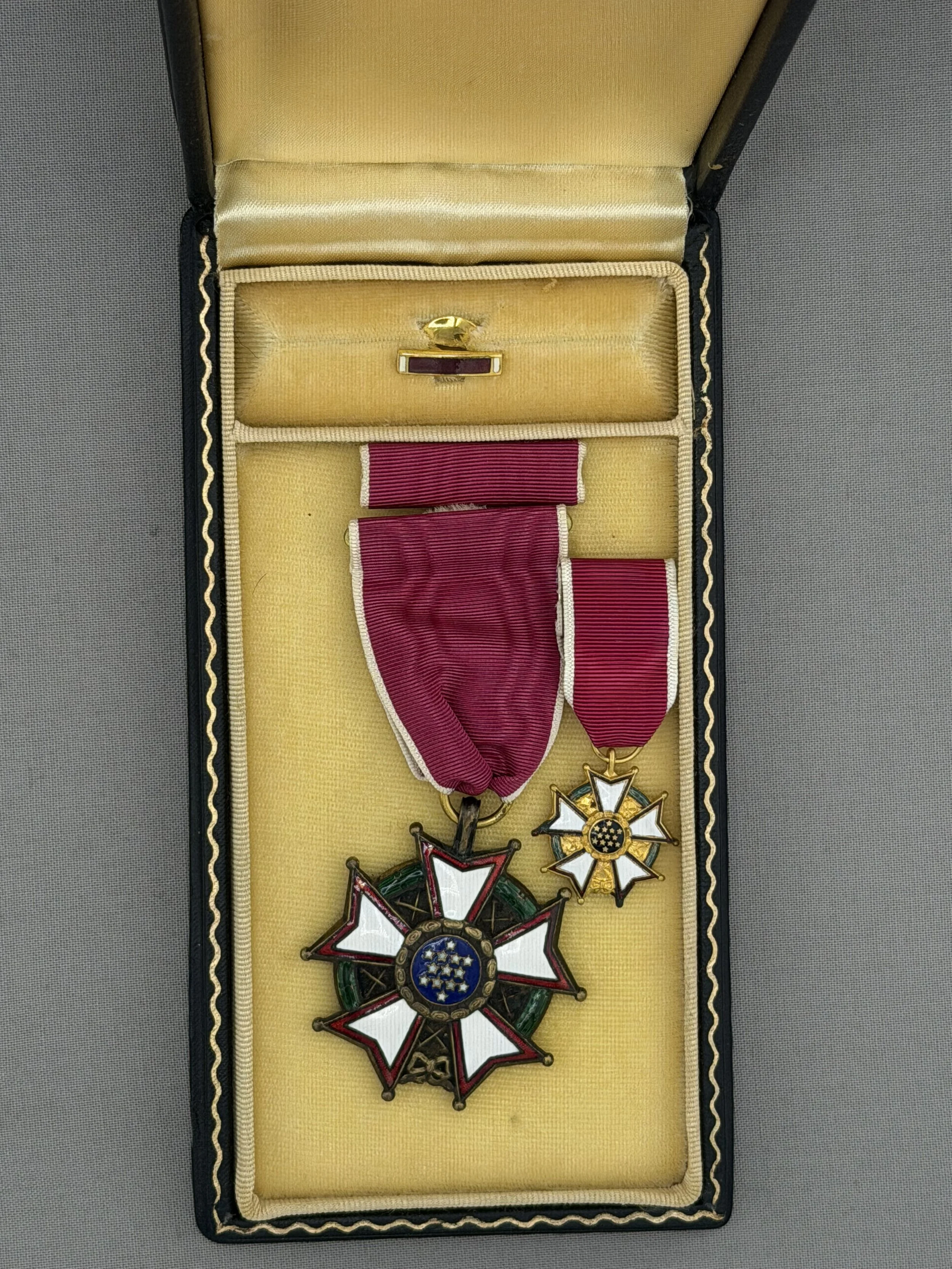
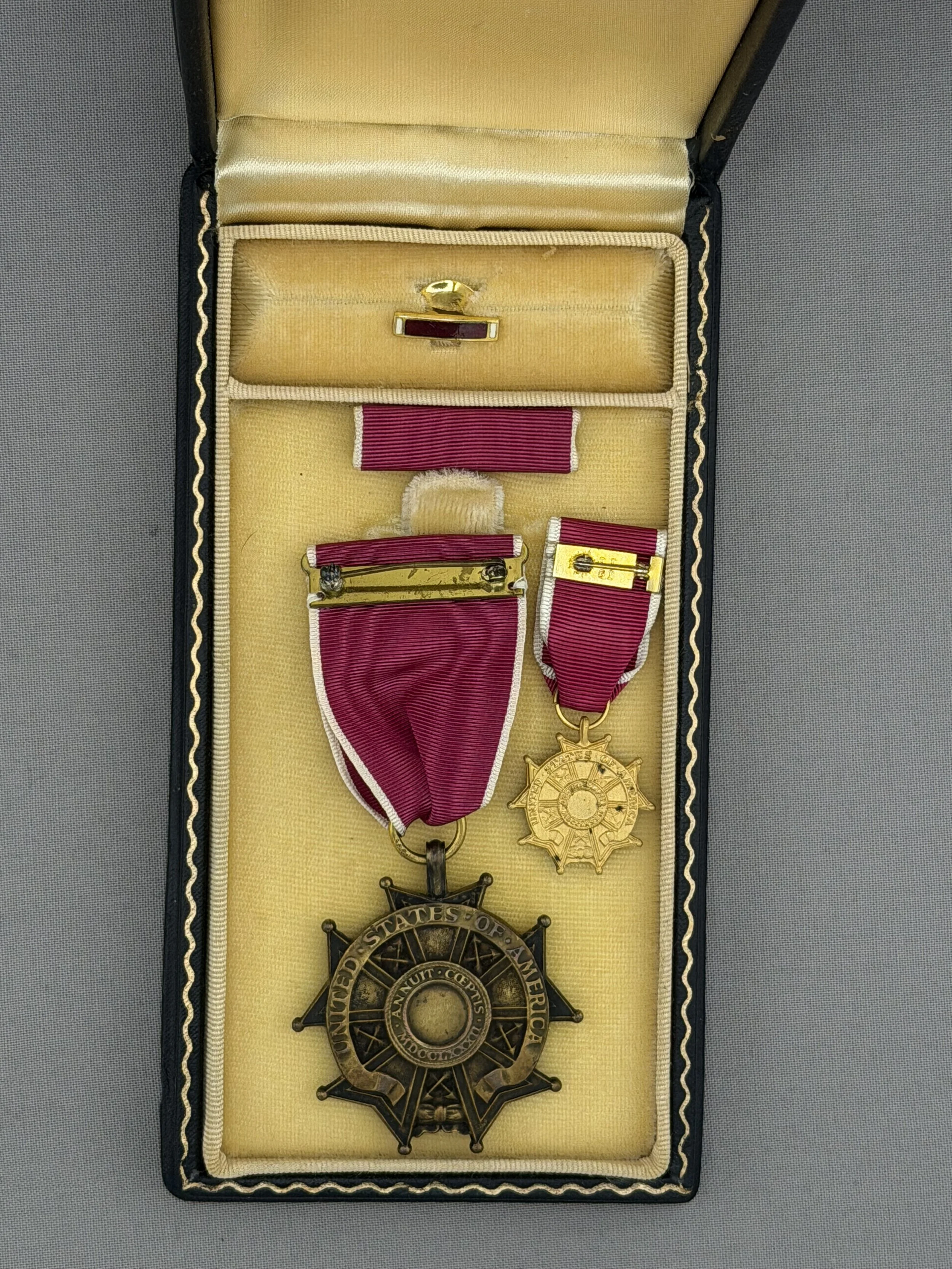
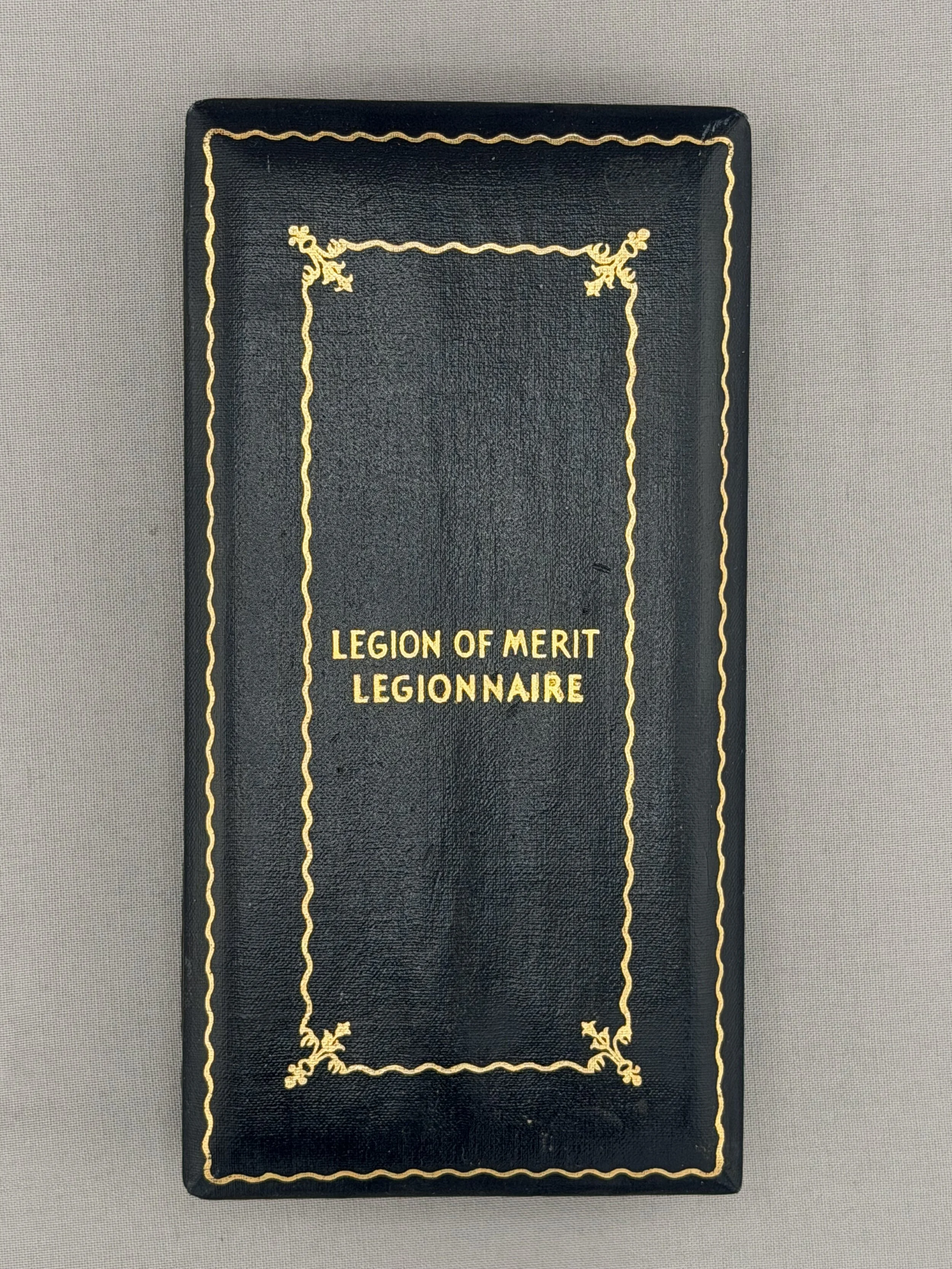
WWII U.S. Legion of Merit Medal with Presentation Case
A United States Legion of Merit decoration presented with its fitted case. Established during the Second World War, the Legion of Merit is one of the most prestigious military decorations awarded by the United States.
Historical Background
The Legion of Merit was established by an Act of Congress on July 20, 1942, during the Second World War.
The decoration was created to recognize exceptionally meritorious conduct in the performance of outstanding services and achievements.
Unlike many American military decorations, the Legion of Merit was designed with a system of degrees for foreign recipients, reflecting the traditions of European orders of merit.
The four degrees are Chief Commander, Commander, Officer, and Legionnaire. American military personnel receive the Legion of Merit without designation of degree.
During the Second World War, the decoration was awarded to American military personnel and distinguished foreign military leaders for exceptional service and achievements supporting the Allied war effort.
Why It Was Awarded
The Legion of Merit recognizes exceptionally meritorious conduct in the performance of outstanding services and achievements.
Recipients have included senior military officers, commanders, and other service members whose accomplishments demonstrated exceptional responsibility, leadership, or professional achievement.
The decoration remains in use by the United States Armed Forces today.
Item Details
Country: United States
Decoration: Legion of Merit
Established: July 20, 1942
Historical association: Second World War
Type: Military decoration for exceptionally meritorious service
Design: White-enameled, multi-pointed decoration with a central blue medallion
Includes: Medal, ribbon, and fitted presentation case
Condition: As photographed
Quantity available: One
SKU: US8735912
A desirable addition to a collection of United States military decorations, Second World War memorabilia, or American orders and medals.
The medal pictured is the actual item offered for sale.
No results found
No results match your search. Try removing a few filters.